
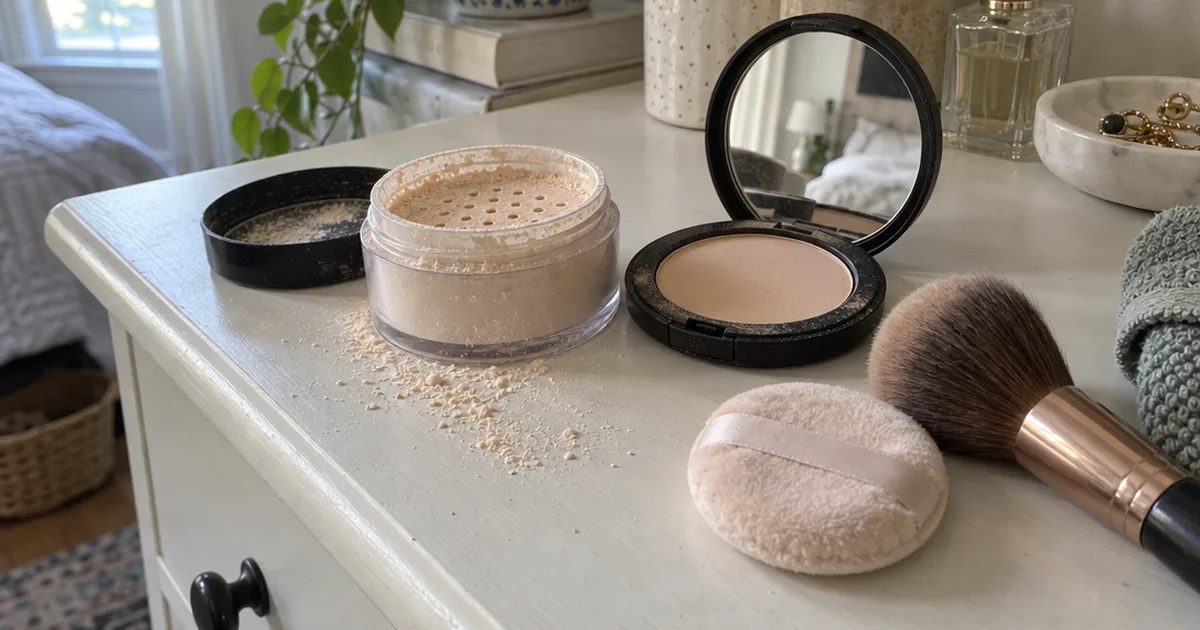
Setting powder and finishing powder can look identical on a beauty counter.
But one keeps your makeup on your face, and the other only changes how it looks once it’s there.
Here’s how setting powder vs finishing powder really splits, which one your skin type should buy first, and when 1 powder can do both jobs.
Shiny forehead and nose by lunch? Setting powder is your match.
Dry cheeks that turn chalky under powder do better with a light finishing powder.
Combination skin gets both jobs from one plan: set the oily center, then finish the rest.
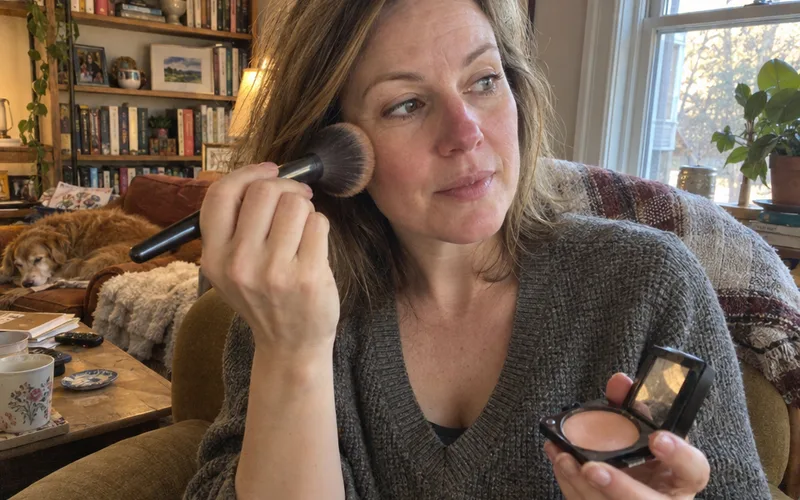
Setting vs Finishing Powder at a Glance
Setting powder wins on hold and oil control, and finishing powder wins on softness, so pick by how your makeup fails: by moving or by looking flat. Here’s how they compare:
| Category | Setting Powder | Finishing Powder | Winner |
|---|---|---|---|
| Main job | Locks makeup in place | Blurs and polishes | Depends on goal |
| Oil control | High | Light | Setting Powder |
| Crease control | Strong under the eyes | Mild | Setting Powder |
| Finish | Mostly matte | Soft focus, sometimes glowy | Finishing Powder |
| When it goes on | Right after foundation and concealer | Very last step | Tie |
| Dry skin | Can look dusty | Usually kinder | Finishing Powder |
| Can do the other's job | Yes, in a thin layer | Only for light hold | Setting Powder |
| Overall value | Best single powder for most | Best extra for a soft look | Setting Powder |
If you’ll only own one powder, setting powder covers more of the jobs most complexions need.
What Is Setting Powder?
Setting powder is a matte face powder, loose or pressed, that you press over liquid or cream makeup to lock it in place, soak up oil and stop creasing. It’s the reason your concealer still sits under your eyes at 4 p.m. instead of in the lines around them.
Liquid foundation and cream products stay a little wet for hours. A thin layer of setting powder dries that surface and soaks up sebum, your skin’s natural oil, so the makeup underneath has less room to move or shine.
Most setting powders aim for a matte finish, and that’s not just a style choice. The American Academy of Dermatology says makeup labeled “matte” can help reduce shine from oily skin, in its oily-skin guide last updated 9/3/24.
Setting powder also powers “baking”, where you leave a thick layer under the eyes for a few minutes, then dust it away. Save that heavy-duty move for long days, heat or photos.
What Is Finishing Powder?
Finishing powder is a finely milled powder you dust on as the last makeup step to blur pores, soften fine lines and blend blush and bronzer edges. It sits on top of everything else, so its job is how your skin looks, not how long makeup lasts.
So what does that mean for you?
A finishing powder works more like an airbrushed filter than a fixative, softening the look of fine lines and wrinkles. Many use light-reflecting minerals and come in sheer tints like pink, peach or rose, while others are untinted.
Because it’s so light, finishing powder controls a little shine but won’t hold up a heavy layer of liquid foundation all day.
Finishing powder is the step you add when your makeup already stays put but looks a little too “done”.
Setting Powder vs Finishing Powder: The Key Differences
Setting powder holds makeup and soaks up oil, so it goes on right after foundation, while finishing powder goes on last to blur pores and soften texture. Both come loose or pressed and both set makeup a little, which is why people mix them up.
The trade-offs are still clear:
- Hold: Setting powder grips liquid and cream products; finishing powder barely does.
- Finish: Setting powder runs matte; finishing powder looks softer and can glow.
- Placement: Setting powder goes where you crease or shine; finishing powder goes lightly all over.
A powder sold as “fixing powder”, the term common in the UK and Europe, does the same job as setting powder.
So flip the compact over before you buy. If the label talks about oil control, long wear or locking makeup in place, it’s a setting powder, whatever the front says.
Does Setting Powder or Finishing Powder Go First?
Setting powder goes on first, right after foundation and concealer, and finishing powder goes on last, after every other face product. That order lets setting powder grip the wet layer while finishing powder blends everything on top.
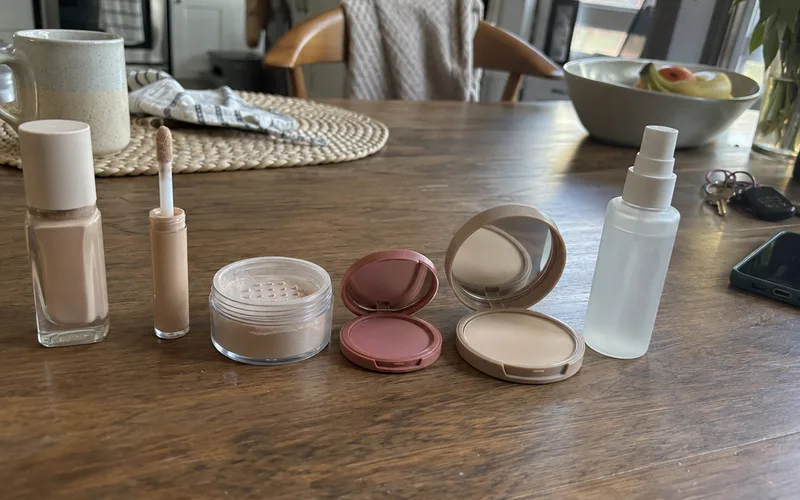
Here’s the order for most routines:
- Apply foundation, concealer and any cream blush.
- Press setting powder into oily or creasing areas.
- Add powder blush, bronzer and highlighter.
- Dust a light layer of finishing powder over the face.
- Mist a setting spray, if you use one.
Why does the order matter?
Powder bronzer glides over a set base instead of grabbing wet foundation and turning patchy. Where blush lands depends on its formula, and the blush and setting powder order breaks that down.
Which Powder Fits Your Skin Type?
Setting powder fits oily and combination skin best. Dry and mature skin usually looks better with a light finishing powder or a hydrating setting formula, so your skin type decides which one to buy first.
The quick version:
| Skin type | Buy first | Where to put it |
|---|---|---|
| Oily | Setting powder | T-zone, under the eyes |
| Combination | Setting powder | Center of the face only |
| Dry | Finishing powder | Thin veil, skip dry patches |
| Mature | Finishing powder | Light sweep, set creases only |
For oily skin, matte setting powder is the clear match. The same AAD guide also tells people with oily skin to choose makeup labeled “oil free” and “noncomedogenic”, meaning it won’t clog pores.
Combination skin splits the face: set the forehead, nose and chin, then leave the cheeks bare or give them finishing powder.
Dry skin is where powder can backfire. A heavy matte powder grabs flaky spots, so a finely milled finishing powder or a hydrating setting powder is the safer first buy.
Mature skin follows the same rule: set only the under-eye crease and smile lines. There are separate picks for setting powder for mature skin and setting powder on dry skin.
Key Takeaway: Buy for the way your makeup fails. If it slides, set it; if it looks flat or dusty, finish it.
Can One Powder Do Both Jobs?
One powder can do both jobs for most people, and a finely milled translucent setting powder is the better one to stretch. Press it where you need hold, then sweep what’s left on your brush lightly over the rest of your face.
That’s a GREAT way to trim your beauty budget: one product instead of two.
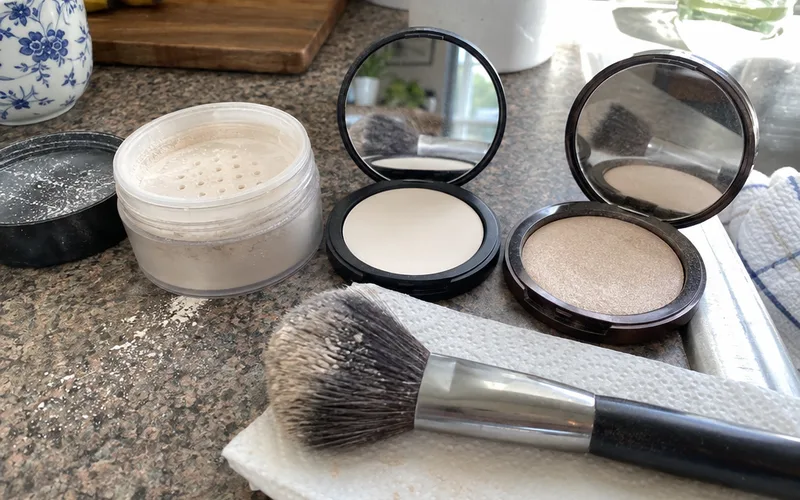
Going the other way is harder. Finishing powder sets makeup lightly, but it doesn’t absorb enough oil to hold full liquid foundation on oily skin all day.
What about loose versus pressed?
Loose powder usually sets more, while pressed powder is easier for touch-ups. Neither decides the job, and loose and pressed powder compare in more detail elsewhere.
On a budget, start with one powder from a drugstore setting powder shortlist. Add a finishing powder only if you miss the soft-focus look.
How to Apply Setting Powder Without Looking Cakey
Setting powder looks cakey when there’s too much of it, on too much of the face, over a thick or wet base. The fix is a small amount, pressed only where you shine or crease, over thin, well-blended foundation.
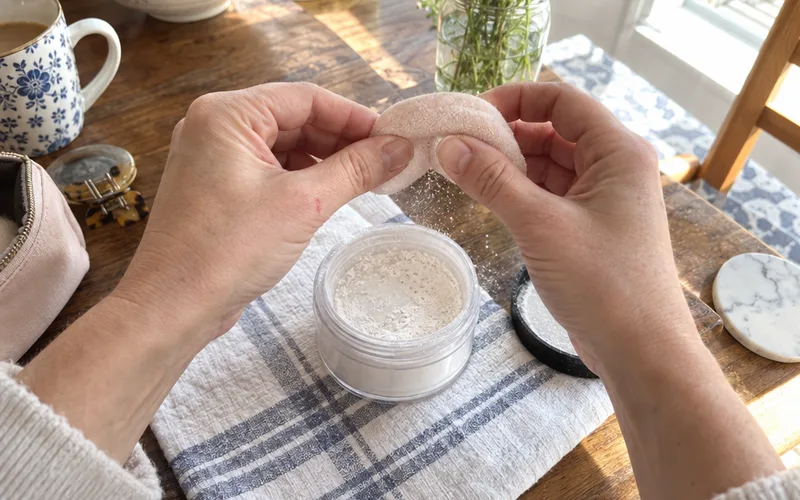
Follow these steps:
- Apply moisturizer, then let it sink in for a minute or two.
- Apply foundation and concealer thinly and blend the edges.
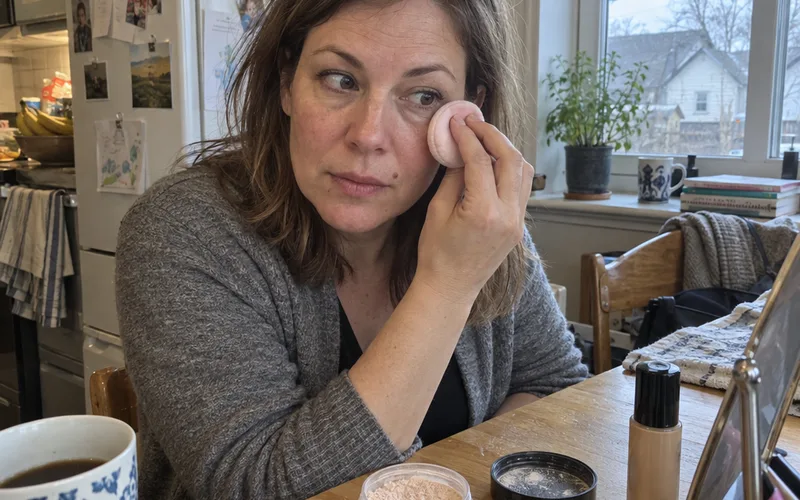
- Load a puff or sponge with a little powder and fold it to work it in.
- Press, don’t swipe, into the T-zone and under the eyes.
- Dust off any visible excess with a clean brush.
Pressing is the part most people skip. Swiping drags foundation around, while pressing lays powder down without moving what’s underneath.
Midday shine is the other trap, so blot before you add more powder.
AAD dermatologists say to gently press a blotting paper on your face for a few seconds to absorb oil, and not rub it, which spreads the oil around. Then add a tiny bit of powder only if you still need it.
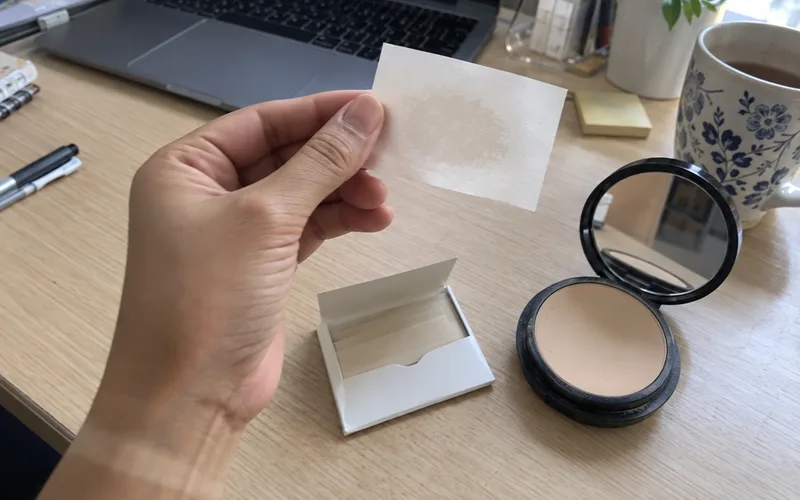
Already heavy? These fixes for cakey makeup rescue the look without starting over, and the guide to setting makeup covers powder, spray and primer together.
How to Apply Finishing Powder
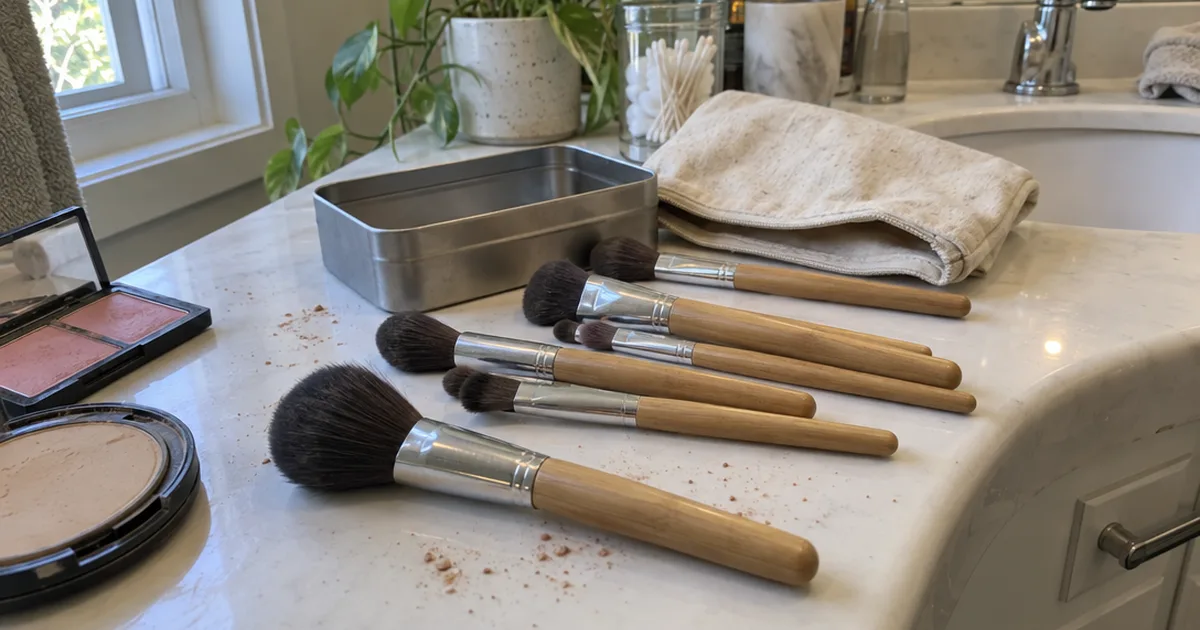
Finishing powder goes on last, in one thin layer, with a big fluffy brush swept from the center of the face outward. The aim is a veil you can barely see.
Pick the shade first. A tinted finishing powder should match your skin tone, since too light looks ashy and too dark looks muddy, so swatch it on your jawline.
Then apply it like this:
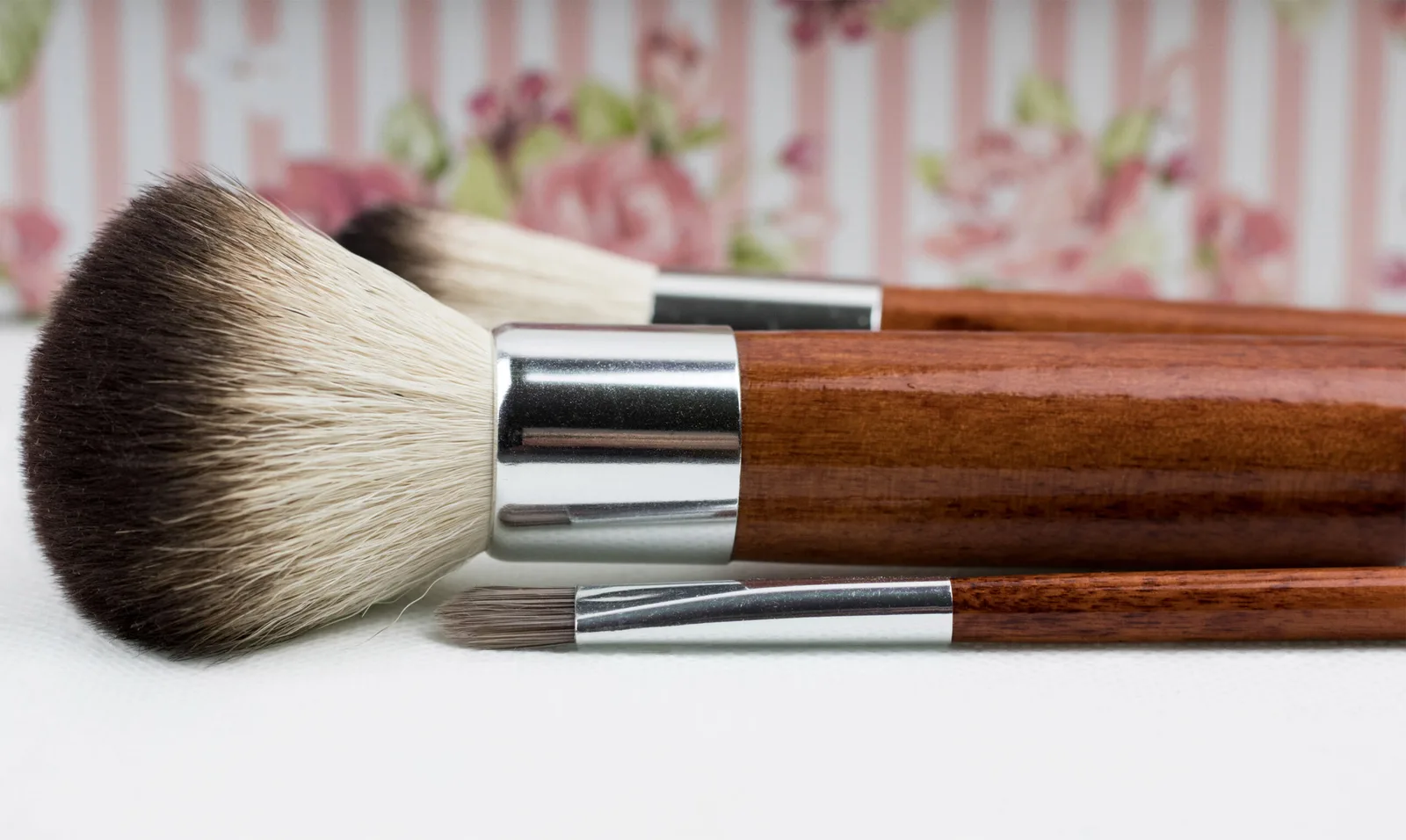
- Swirl a large brush in the powder and tap off the excess.
- Sweep from the center of the face out across the cheekbones.
- Use a smaller brush around the nose and under the eyes.
Finishing powder also fixes over-done color. A sweep over strong blush or bronzer softens the edges.
Before a big event, take a test photo with your phone’s flash. A heavy layer of any powder can look pale on camera even when the mirror says it’s fine.
What’s Inside: Talc, Silica and Mica
Most setting and finishing powders are built on absorbent minerals, usually talc, silica or both, with mica added for glow. Knowing what each does helps you read a label in the store.
Talc powder is the classic base. The Campaign for Safe Cosmetics, an advocacy group citing the FDA, says talc is added to cosmetics to absorb moisture, smooth products, prevent caking and make makeup opaque.
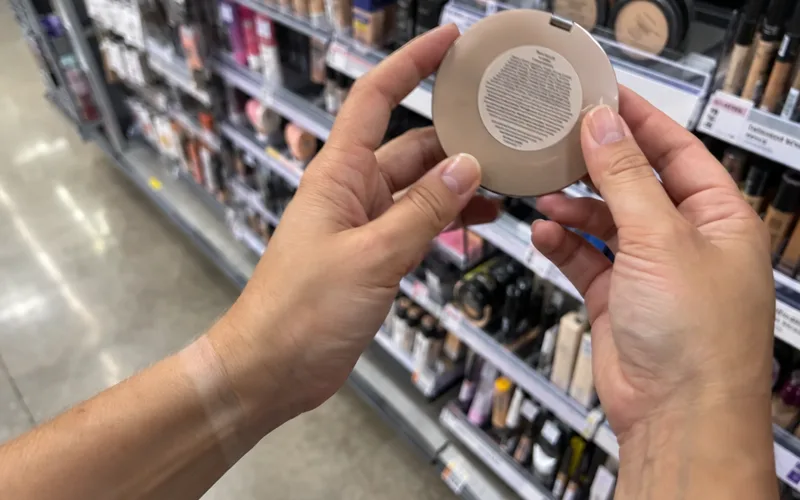
Here’s the deal:
The same group says some talc may contain asbestos, a known carcinogen, and advises avoiding talc in powders unless it is known to be asbestos-free. It also notes that talc is restricted in cosmetic products in the European Union.
Silica powder is the other big oil absorber, common in blurring and “HD” powders. Mica is a shimmery mineral that gives many finishing powders their glow.
So if a powder lists talc, check whether the brand says its talc is tested asbestos-free, or choose a talc-free powder built on silica.
Who Should Choose Setting Powder
Setting powder is the right pick if your skin gets oily, your concealer creases, or your makeup has to last through a long day, heat or photos. It’s also the better single powder if you only want one.
Choose setting powder if you:
- Get shiny on the forehead, nose or chin by midday
- Wear liquid or cream foundation most days
- See concealer settle into under-eye lines
Start with a matte formula from the setting powder for oily skin picks, plus makeup for oily skin that works with it.
Wondering where spray fits in? The setting powder vs spray breakdown covers when each one wins.
Who Should Choose Finishing Powder
Finishing powder is the right pick if your makeup already stays put but looks flat, textured or heavy. It’s often the better choice for dry or mature skin.
Choose finishing powder if you:
- Have dry skin that turns dusty under matte powder
- Want pores and fine lines to look softer
- Like a soft, airbrushed glow instead of a flat matte finish
Happy with how long your makeup lasts? Then finishing powder is the one extra worth trying, and you can skip setting powder on the dry parts of your face.
Frequently Asked Questions
Is finish powder the same as setting powder?
No, finishing powder and setting powder are different products: setting powder holds your base and controls oil, while finishing powder goes on last to blur and soften. Check the label for “oil control” or “blurring” to tell them apart.
Do I need finishing powder if I already use setting powder?
No, you don’t need finishing powder if your setting powder already keeps you matte and looks smooth. Add one only when you want a softer, blurred look for photos or an event.
Should you use both setting and finishing powder?
You can use both setting and finishing powder, but most everyday looks only need one. If you layer them, set only where you crease or shine, then sweep a thin veil of finishing powder on top.
Is translucent powder a setting powder or a finishing powder?
Translucent powder is usually a setting powder, because “translucent” only means it adds little or no color. The label’s main claim, oil control or blur, tells you which job a translucent formula is built for.
Is setting powder the same as setting spray?
No, setting powder is a dry powder that soaks up oil, while setting spray is a liquid mist you spray over finished makeup to help it last. Many people use powder first and spray last.
Can finishing powder cause flashback in photos?
Yes, a heavy layer of finishing powder or setting powder can show up as pale patches in flash photos. Use a thin layer and take a test photo with your phone’s camera flash before an event.
Is setting powder safe if it contains talc?
Setting powder with talc is worth checking, because the Campaign for Safe Cosmetics says some talc may contain asbestos and advises avoiding it in powders unless it is known to be asbestos-free. Pick a brand that says its talc is tested, or a talc-free powder.
Is setting powder and powder the same thing?
Setting powder is one kind of face powder, made to lock liquid and cream makeup in place. Other face powders, such as powder foundation, add coverage and color instead.
Final Thoughts
Setting powder keeps makeup on, and finishing powder changes how it looks, so buy for the job your face actually needs.
Shiny by lunch? Start with one matte setting powder, pressed only where you need it.
This week, read your current powder’s label for its main claim, then use it for the job it was built for.