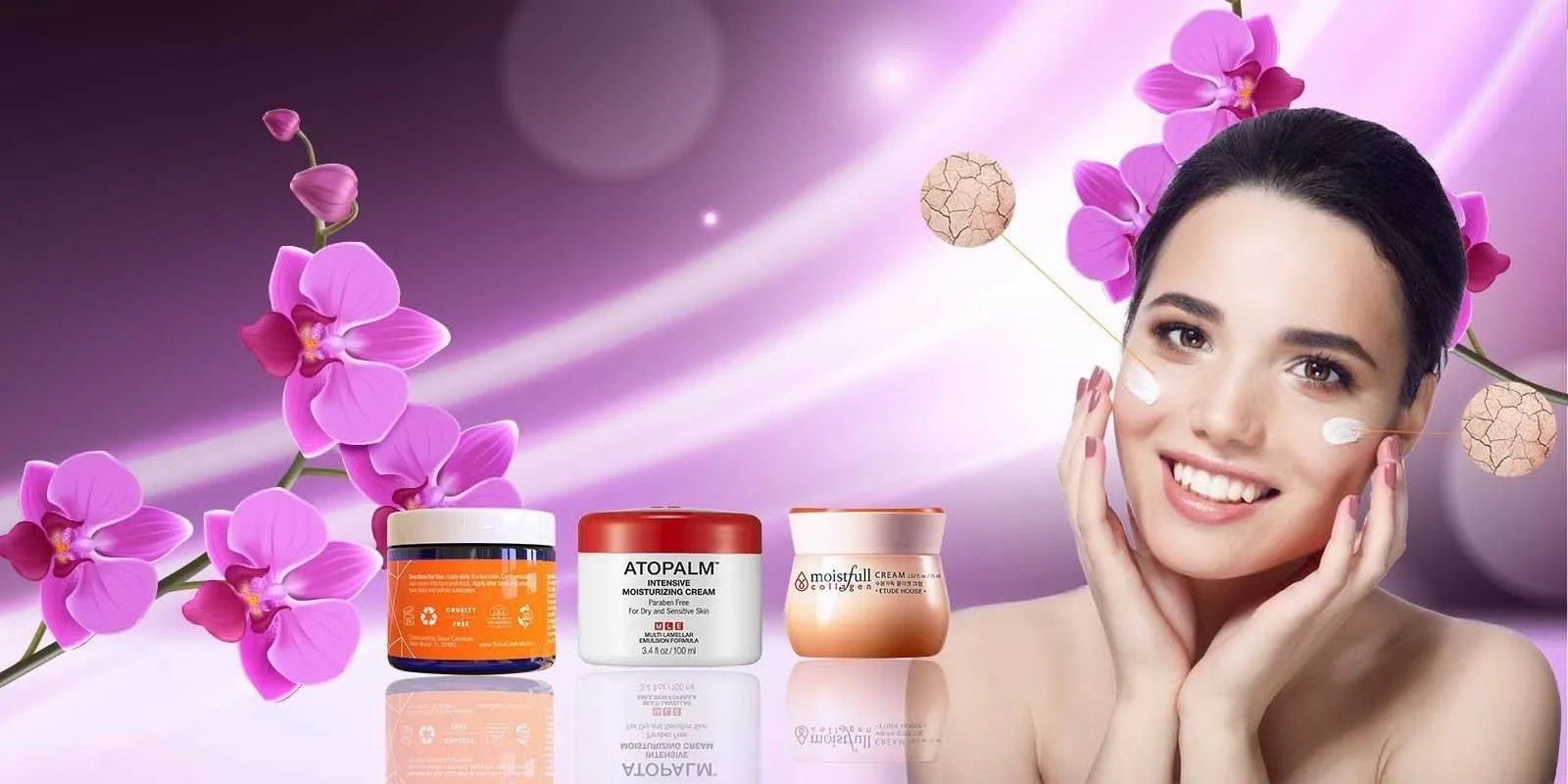

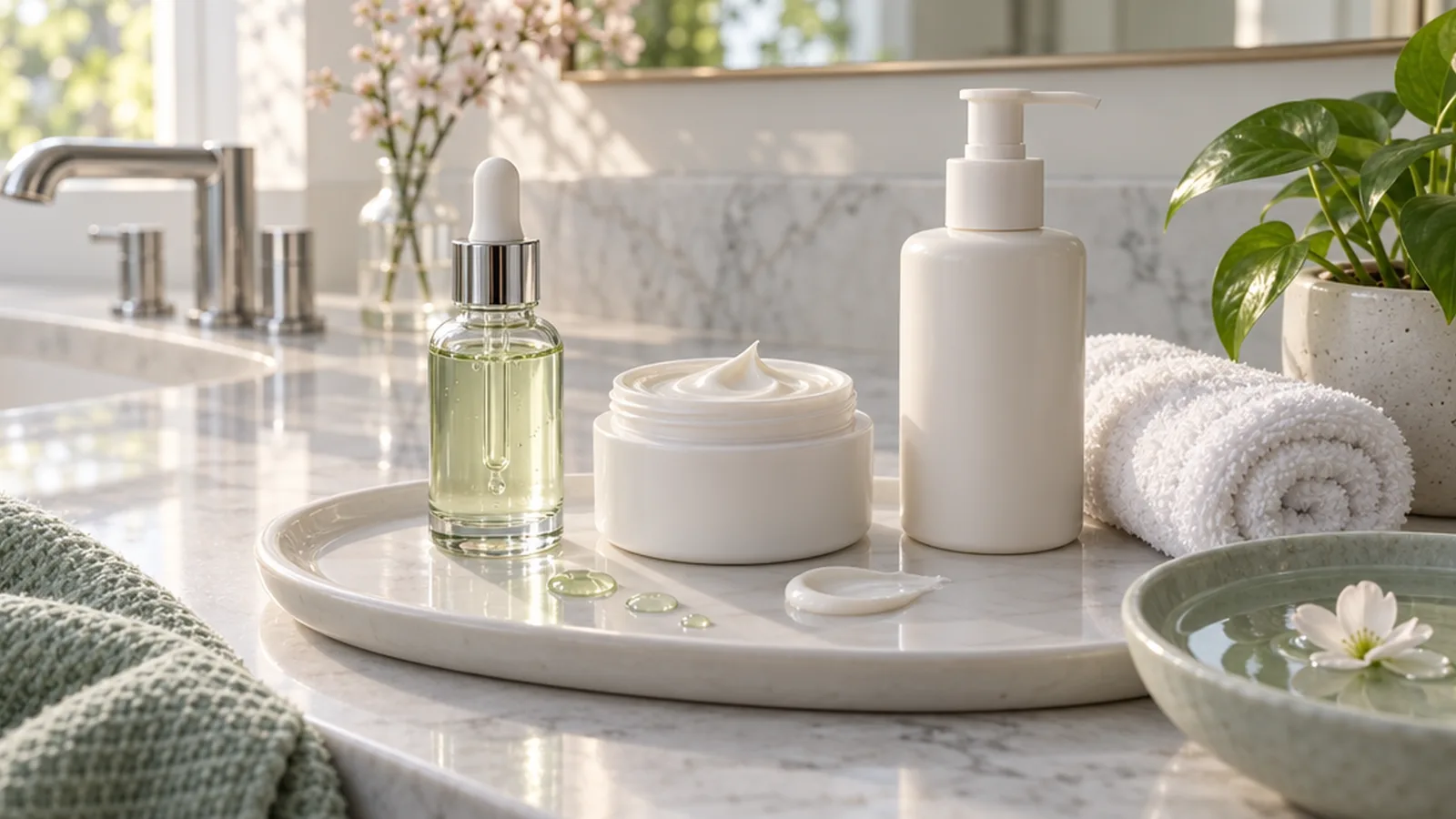
You need 3 skin care products, not 10.
Cleanser, moisturizer and sunscreen do the daily work, and everything else is an optional extra.
So let’s cover what each product does, the order to use them, and how to find your skin type at home.
You’ll know exactly what to buy first.
What Is Skin Care?
Skin care is the daily habit of cleaning, moisturizing and protecting your skin so it stays comfortable and healthy. Skin care covers habits as well as products, such as washing gently and not picking at your face.
Why bother with a routine at all?
Your skin is your largest organ, and it’s your first line of defense against the outside world. The real goal is to know your skin and treat it well.
What Is a Good Face Skin Care Routine?
A good face skin care routine is cleanser, moisturizer and sunscreen in the morning, then cleanser and moisturizer at night. Add any treatment one product at a time, so you can tell what’s helping.
The 2 routines have different jobs. Your morning steps protect your skin for the day ahead, while your night steps clean off that day and let your skin recover.
Most people only need one full wash a day, so a warm-water rinse can be enough in the morning. Either way, stop at 2 washes a day, because squeaky-clean skin has lost its natural oils.
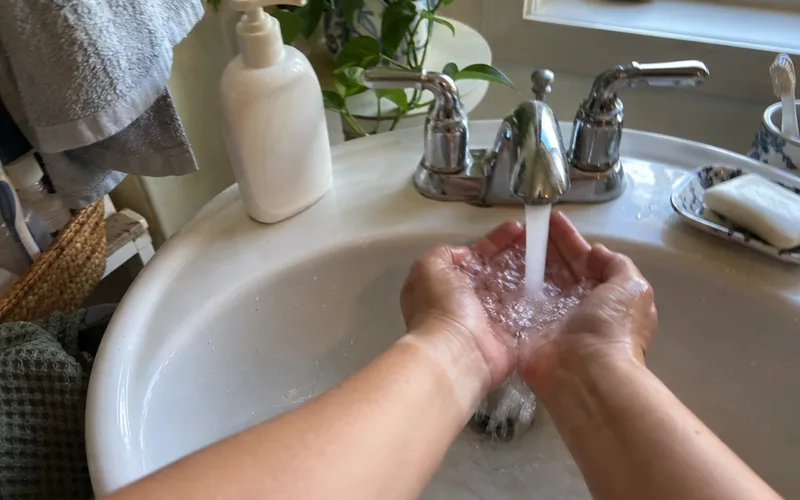
There’s one exception to that count: wash after a workout, since sweat can clog pores and make acne worse. And take your makeup off before bed, every time.
Your skin type changes the details, so see how a dry skin routine differs from an oily skin routine.
What Are the 5 Most Important Skin Care Products?
The 5 most important skin care products are cleanser, moisturizer and sunscreen for daily use, plus serum and exfoliant as optional extras. Buy the first 3 before you spend a dollar on the other 2.
Cleanser comes first because everything else goes on top of it. Pick one made for your face instead of your body wash, wash gently, and rinse with warm water, since hot water strips your natural oils.
Moisturizer keeps skin from drying out, and yes, oily skin needs it too. It works best on slightly damp skin, because that seals the moisture in.
Sunscreen is the step you never skip. Choose at least SPF 30 that protects against both UVA and UVB rays.
Put it on 15 minutes before you head outside, and reapply every 2 hours when you’re out in the sun.
Serum and exfoliant are different. Each one solves a specific problem, so you only need them if you have that problem.
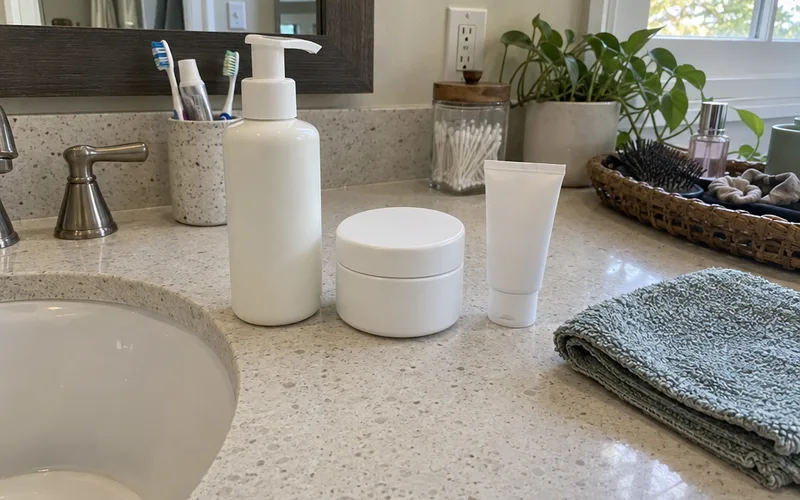
In other words, a cleanser, a moisturizer and a sunscreen make a complete routine on their own.
How Do You Find Your Skin Type at Home?
You can find your skin type at home in about 30 minutes with a blot test on a clean, bare face. The test works by showing how much oil your skin makes.
Here’s how it works:
- Wash your face and pat it dry.
- Wait 30 minutes without applying anything.
- Press blotting paper or a tissue on your forehead, nose, cheeks and chin.
- Hold the paper up to the light.
What you see on that paper tells you where to start shopping:
| Paper result | Skin type | Start with |
|---|---|---|
| No oil, plus flakes or tightness | Dry | Cream moisturizer |
| Soaked through | Oily | Gel moisturizer |
| Differs by area | Combination | Test each area |
| Not oily, no flakes | Normal | Gentle basics |
Combination results take a little more reading, so check what combination skin is before you buy. Most of the time your type stays fairly consistent, though it can drift drier or oilier with the seasons.
Sensitive skin doesn’t show up on this test, because it depends on how fast and how easily your skin reacts. So patch test anything new: dab a little on your inner arm, wait 48 hours, then check again at 96 hours for a delayed reaction.
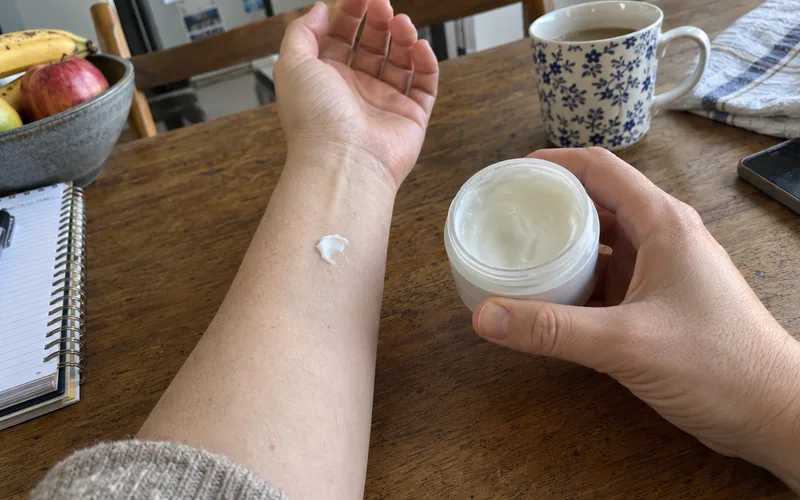
Redness, small bumps or itching means that product isn’t for you. Wash the spot with water and a gentle cleanser, then return the product and try another.
What Order Do You Apply Skin Care Products In?
Skin care products go on in this order: cleanser, toner, exfoliant, serum, moisturizer, then sunscreen in the morning. Toner, exfoliant and serum are the optional steps, so leave out any you don’t use.
The order follows what each product does. Cleanser clears the way, the treatment steps sit closest to your skin, and moisturizer seals everything in.
At night, you drop the sunscreen and always end on moisturizer.
So if you only remember one rule, make it this one: sunscreen goes last in the morning, and moisturizer goes last at night.
What Does Toner Do for Skin?
Toner is an optional liquid you apply after washing your face to smooth, soften and calm your skin. Many toners contain ingredients that can ease redness and dry patches.
You won’t miss it if your basics are working.
Toner makes the most sense when your skin runs oily, since it can follow an oil-free cleanser. If you’re curious, Korean toners are a good place to compare formulas before you commit to one.
Do You Really Need a Serum?
No, you don’t need a serum for healthy skin, because a serum is an optional extra aimed at one specific goal. Serums contain ingredients like antioxidants or retinol that can calm redness and improve texture and firmness.
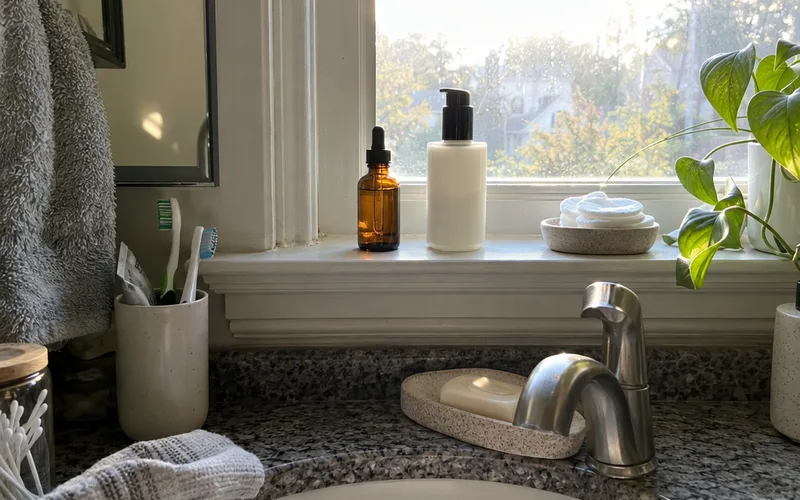
Timing matters more than most labels tell you. A vitamin C serum does better in the morning under sunscreen, while retinol belongs at night only.
Starting retinol? Go slowly with these retinol basics for beginners, and ask your doctor first if you’re pregnant or breastfeeding.
If dark spots are your concern, look at niacinamide, which can help reduce blemishes and dark spots, especially after acne. Pick the one problem you most want to fix, and buy one serum for it.
How Often Should You Exfoliate Your Face?
Exfoliating your face once or twice a week is the most you should do, and skipping it is fine too. Exfoliants remove flaky skin by speeding up skin cell turnover, which leaves skin smoother and pores clearer.
The catch?
Scrubs can damage the protective barrier of your skin, so chemical exfoliants are usually the safer choice. Sugar in particular is too harsh for your face.
Use yours after cleanser and before moisturizer. Start at once a week, and only add a second day if your skin stays calm.
One option to compare is a Korean exfoliator.
If large pores are your main worry, also read how to close pores permanently.
What Skin Care Ingredients Should Beginners Look For?
Beginners should shop by skin type first: alcohol-free and fragrance-free cleansers for dry skin, and oil-free cleansers with non-comedogenic moisturizers for oily skin. Non-comedogenic means the product doesn’t block your pores.
For oily, breakout-prone skin, salicylic acid is a common ingredient to look for.
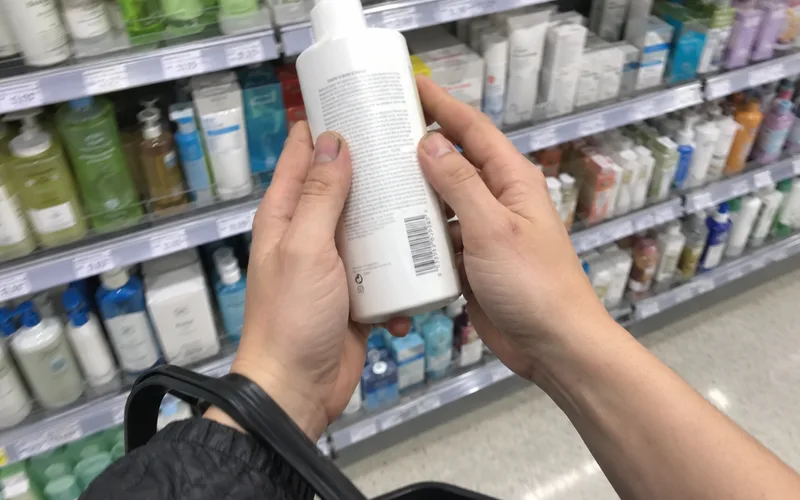
The package usually says gel or cream too, so you can match the texture without decoding the ingredient list. Sensitive skin has its own rules, so check these picks for sensitive skin before you buy anything strong.
Learn these few label words first, and leave the long ingredient charts for later.
Should You Change Your Skin Care Routine in Winter and Summer?
Yes, change your skin care routine a little in winter and summer. Use a more moisturizing cleanser when it’s cold and an oil-free cleanser when it’s hot, and keep sunscreen all year.
Winter dries skin out from both sides, with cold wind outdoors and radiator heat indoors. That’s when you lean on extra moisturizer. Your feet feel it too, so cracked heels get their own fix in our foot care guide.
For an extra layer on dry winter skin, see how to use argan oil on your face.
Summer tends to make skin oilier, so a lighter daily sunscreen is fine. Just bring out a stronger one for long days in the sun.
Age changes things more slowly. Cleanser and moisturizer stay your base through perimenopause and menopause, and any serums for collagen just go on top.
So adjust one product at a time whenever your skin changes, not only when the weather does.
How Much Does Skin Care Cost?
Skin care cost depends mostly on the brand, and professional lines sit at the high end. The IMAGE Skincare store listed facial cleansers at $40.00 to $41.00 in November 2026.
That’s one bottle, before you add moisturizer or sunscreen.
The same store showed a smaller way in. A travel-size IMAGE MD gentle cleansing balm was $17, and a travel-size VITAL C hydrating anti-aging serum was $33.00.
Sets can bring the price down too: its VITAL C Starter Essentials set was marked down from $131 to $118.
You don’t have to shop there, of course. Your own math beats any price range you read online:
Say a $12 cleanser holds 8 ounces, which is $1.50 an ounce. In this made-up example, a $24 bottle with 4 ounces costs $6.00 an ounce, or 4x the price for the same job.
Run that sum in the aisle, then compare affordable skincare brands or budget skin care sets. Buy by the ounce, not by the sticker.
Which Skin Care Hacks Should You Skip?
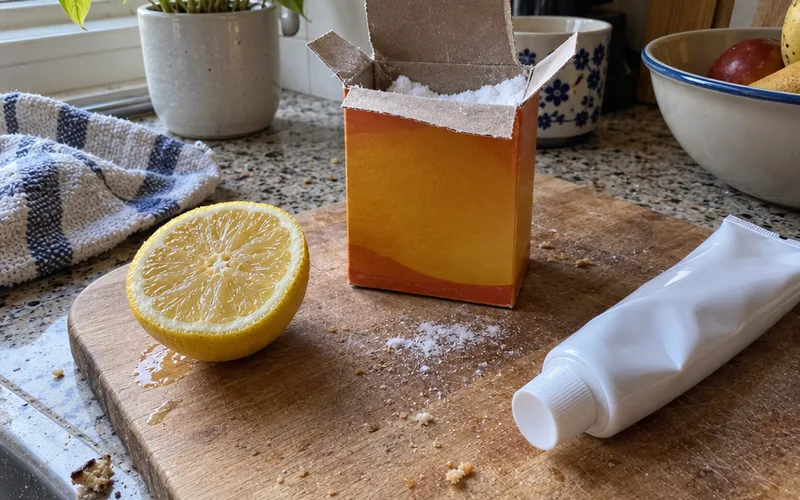
Skip lemon juice, baking soda, toothpaste and raw garlic on your face, because each one can irritate or damage your skin. Those fixes are cheap, but they aren’t made for your face.
Baking soda has a pH of 8 to 9, which can stress your skin and cut its water content. Lemon juice is so acidic that it can cause dark spots after sun exposure.
Picking does damage too. It can leave open wounds or dark spots, and the deeper the wound, the more likely it is to scar.
If you still want a home option, read about homemade skin care first and ask your doctor before trying it. Your safest fix costs nothing: keep your hands off your face.
When Should You See a Dermatologist?
See a dermatologist when a skin problem doesn’t go away with over-the-counter products. A dermatologist can suggest drugstore products, prescribe stronger help or look at other things that may be affecting your skin.
This page covers everyday cosmetic care, not medical advice. So if your skin hurts, keeps reacting or changes in a way that worries you, make that appointment.
What Else Can You Learn About Skin Care?
The Beauty Sensation splits skin care into topics, so you can go straight to the step you’re working on.
Pick the one you need right now:
- Skincare routines by skin type and age
- Face washes from gentle cleansers to gels
- Face moisturizers for every season
- Face sunscreen you’ll want to wear daily
- Face serums and how to tell them apart
- Eye creams and what they can really do
- Body lotions for the skin below your chin
- Aging skin and sensible expectations
- Products and brands when you want the wider view
Start with whichever step your routine is missing today.
What Should You Do First?
Start skin care by running the blot test this week, then buy the cleanser, moisturizer and sunscreen that match your result.
Everything else can wait.