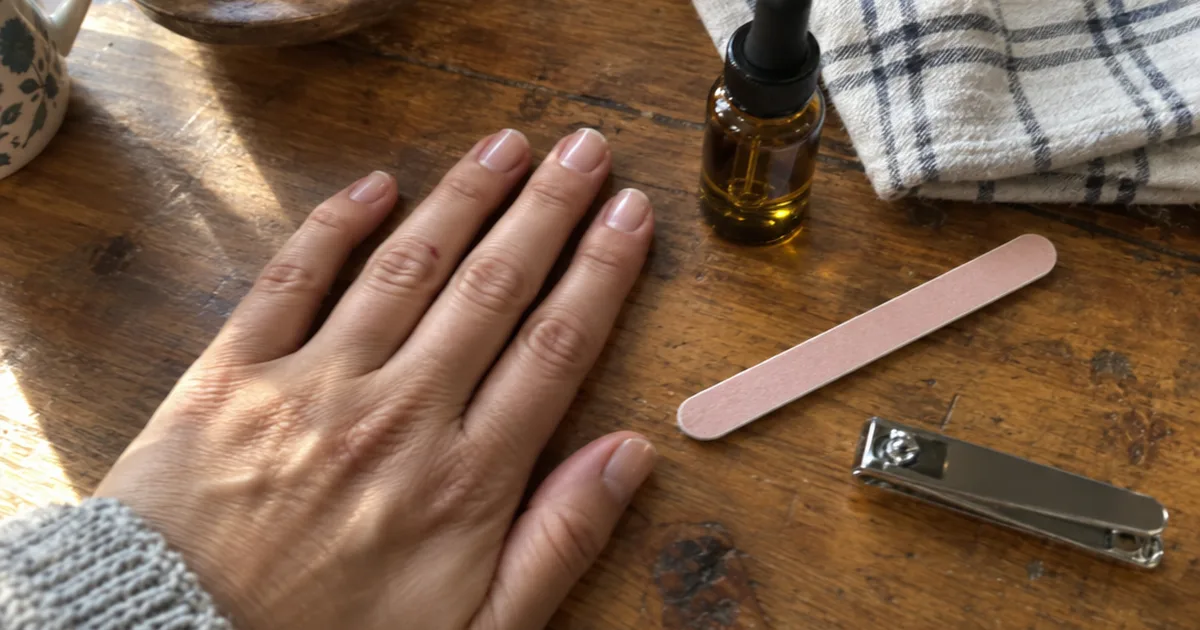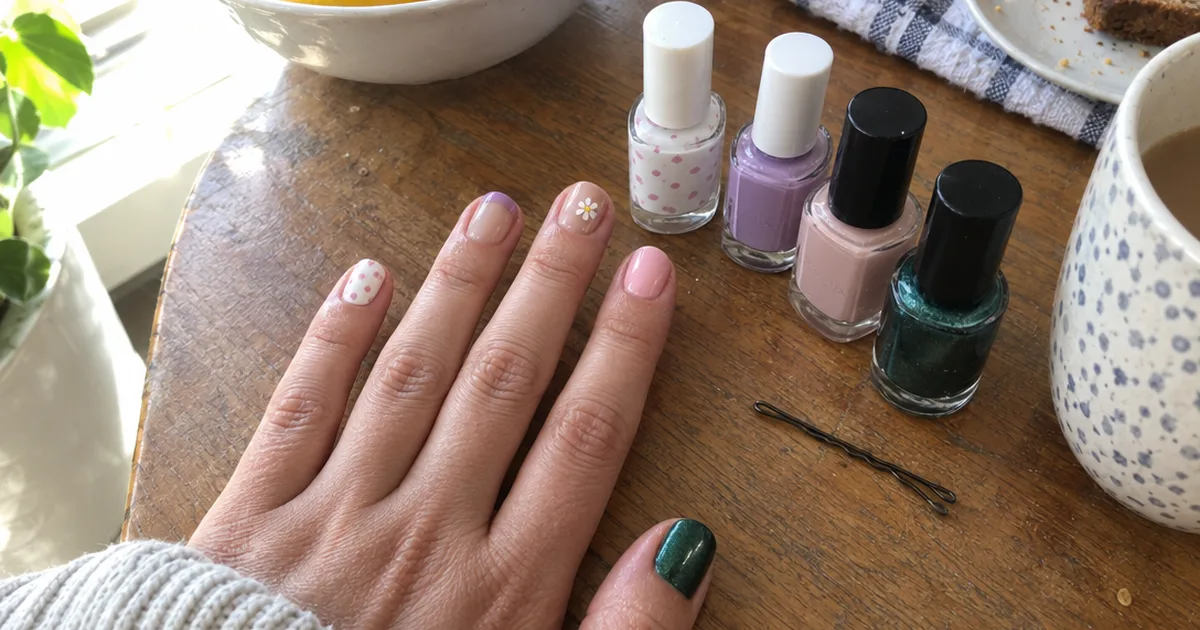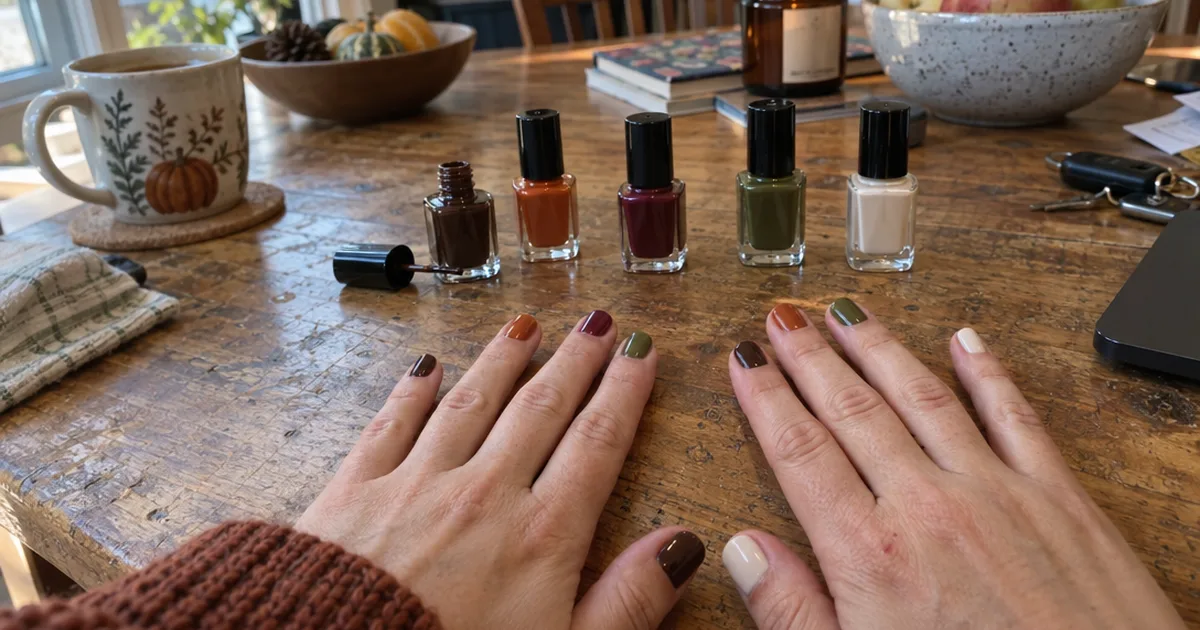

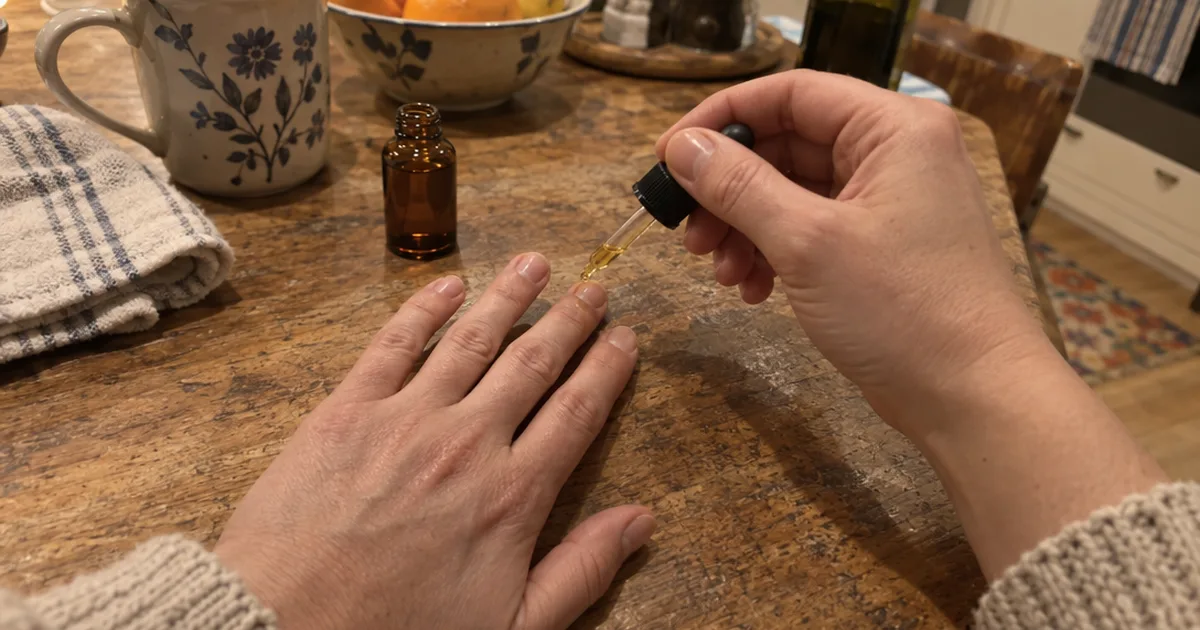
One small drop per nail, once or twice a day.
That’s the whole routine, according to board-certified dermatologist Dr. Leslie Baumann. And that tiny habit protects the seal that keeps germs away from the part of your finger that makes new nail.
So the real cuticle oil benefits go deeper than shiny nails. They’re also more modest than some bottles promise.
Below are the 7 benefits a dermatologist backs, the oils worth buying, how often to use them and the growth claim you can skip.
What Does Cuticle Oil Actually Do?
Cuticle oil is a blend of plant oils, sometimes with vitamins, that hydrates and protects the cuticle and the skin folds around your nail, as Dr. Baumann defines it. That moisture keeps the cuticle soft enough to do its real job: sealing your nail to your finger.
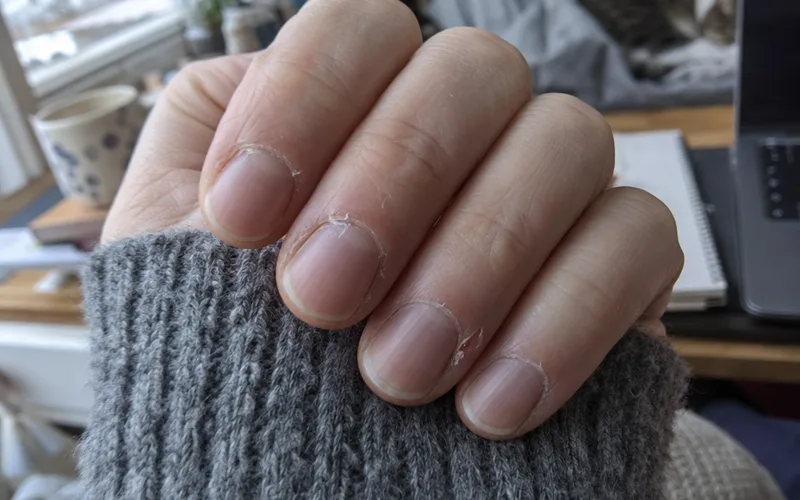
Your cuticle, called the eponychium in medical terms, is living skin. It seals the gap between your nail plate and the surrounding skin, which keeps bacteria, fungi and irritants out of the nail matrix.
The nail matrix is the spot under the base of your nail where new nail cells are made. So the cuticle guards the entrance to your nail’s growth zone.
Here’s where oil comes in:
When cuticles get dry or damaged, that seal weakens and can hinder nail growth. Cuticle oil strengthens the lipid barrier of the cuticle, the thin layer of fats in the skin, so it can form a proper seal over the cells underneath.
The main job of cuticle oil is barrier repair, and every benefit below grows out of it.
7 Cuticle Oil Benefits a Dermatologist Backs
Cuticle oil has 7 benefits on dermatologist Dr. Baumann’s list: a tighter cuticle seal, softer cuticles, fewer hangnails, less splitting, healthier nail growth, relief from drying products and natural shine. Here’s what each one means for your hands.
1. A Tighter Cuticle Seal (and Lower Infection Risk)
The biggest benefit is the one you can’t see. An improved cuticle seal lowers the risk of infection.
A soft, intact cuticle keeps doing its job, while a cracked one leaves a gap.
2. Softer, More Flexible Cuticles
Dry cuticles turn stiff and rough, and oil turns that around. Improved cuticle flexibility and softness is the first benefit on the list.
3. Fewer Hangnails and Cracks
Regular cuticle oil helps you avoid hangnails and cracking around the nail.
If hangnails are your main complaint, this is the reason to start tonight.
4. Less Splitting and Peeling Near the Base
Nails that split or peel right where they leave the cuticle are a common dry-nail complaint. Preventing that splitting and peeling near the base is benefit number 4.
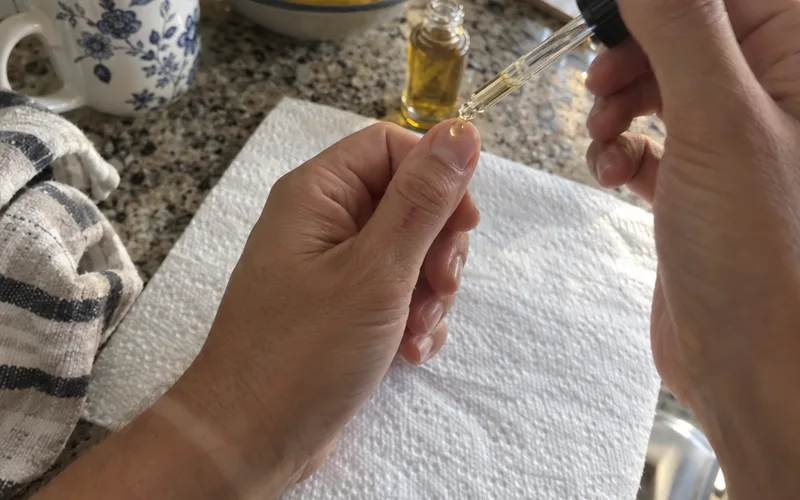
You can also spread a little oil over the whole nail plate. That helps reduce brittleness and surface peeling, not just dry skin.
5. Healthier Nail Growth (Indirectly)
Cuticle oil supports stronger nail growth because it protects the nail matrix beneath the nail. Notice the wording: protect, not speed up.
6. Relief From Handwashing, Sanitizer and Acetone
Every hand wash, squirt of sanitizer and acetone polish removal dries out the skin around your nails. Cuticle oil offsets the drying effects of all 3.
That’s why the best time for a quick coat is right after you wash your hands.
7. Natural Shine
Oil also makes nails look better. Improved nail appearance from added natural shine is the final benefit.
On bare nails, that glossy finish is a nice bonus between manicures.
Key Takeaway: 6 of the 7 benefits come from keeping your cuticles and nails moist and flexible, and shine is the extra.
Does Cuticle Oil Help Nails Grow?
Cuticle oil helps nails grow healthier by protecting the nail matrix, according to dermatologist Dr. Leslie Baumann, but her list gives no faster growth rate. In other words, it protects the growth you already have instead of speeding it up.
You’ll still see claims that massaging oil boosts circulation and makes nails grow faster. Neither her article nor the ingredient research behind this one backs that up with a number.
So what does oil do for growth?
A dry, damaged cuticle weakens the seal and can hinder nail growth. Keeping that seal healthy removes the roadblock, and less splitting near the base means you tend to keep more of the length you grow.
Think of cuticle oil as length protection, not a growth booster.
Does Cuticle Oil Make Nails Stronger?
Cuticle oil makes nails less brittle rather than harder, because spreading it over the nail plate reduces brittleness and surface peeling, Dr. Baumann says. It also helps prevent splitting near the base.
That’s a flexibility fix, not a hardness fix.
If you want harder nails too, oil is only one piece of the plan. Pair it with the habits that make nails stronger and thicker, and add a nail strengthener polish as a protective coat on top.
How to Use Cuticle Oil (Step by Step)
To use cuticle oil, put 1 small drop on each clean, dry nail, massage it into the cuticle and side folds, then let it soak in before you wash your hands or paint your nails. Those are the steps Dr. Baumann gives.
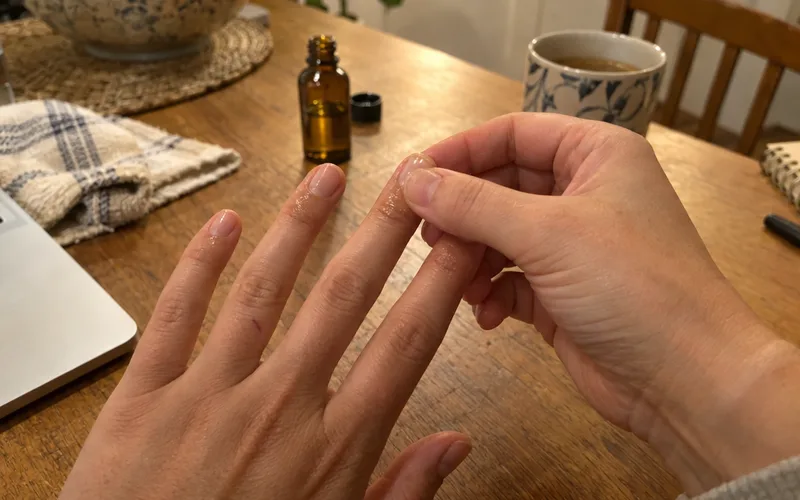
You don’t need any special manicure tools for this. Your fingertips do the work:
- Make sure your nails are clean and dry.
- Put 1 small drop of oil on each nail.
- Massage gently, working the oil into the cuticle and the nail folds along the sides.
- Spread what’s left over the nail plate to help with brittleness.
- Let the oil absorb and dry before you wash your hands or apply polish.
Should You Rub It In or Let It Sit?
You should rub cuticle oil in and then let it sit: massage it into the cuticle and nail folds, then leave it to absorb and dry instead of washing it off. Both steps are part of the same routine.
That’s why bedtime is the best slot. An evening application gives the oil more time to absorb without being washed away.
How Often Should You Apply Cuticle Oil?
Apply cuticle oil once or twice a day, says dermatologist Dr. Baumann, and 2 to 3 times a day if your cuticles are very dry, damaged or often exposed to water, sanitizer, acetone or cold weather. Daily use is the goal.
In fact, she says cuticle oil works best when used daily, especially after washing your hands or using hand sanitizer.

Why so often? Because one coat can’t undo a long-running problem.
A single use won’t help with chronic dryness or cracking. So a bottle you use every night beats a fancy one that sits in a drawer.
Pro Tip: Keep the bottle next to the sink you use most. That way, the after-washing coat happens without you thinking about it.
What Is the Best Oil for Cuticles?
Jojoba oil is the best all-round oil for cuticles, and dermatologist Dr. Baumann also names argan, sweet almond and safflower oils among the best oils for cuticle oil.
Jojoba oil wins because it’s built a lot like your skin’s own oil, called sebum. It’s structurally similar to human sebum, so it absorbs easily and softens cuticles without feeling greasy.
In fact, the LEAFtv ingredient guide, citing Cosmetics Info, reports that jojoba is 97% wax esters and more similar to sebum than other oils. The same guide says the Cosmetic Ingredient Review (CIR) expert panel deems jojoba acceptable for use in cosmetics.
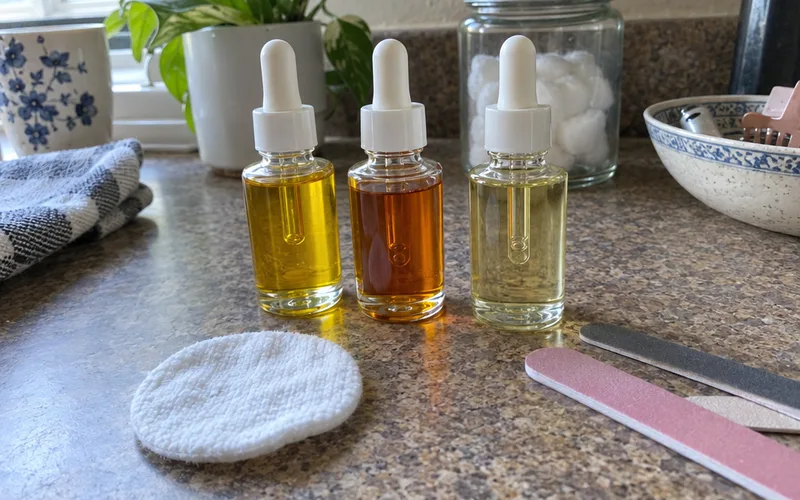
Here’s how the other common oils compare:
- Argan oil: one of the top 4, and easy to use on its own.
- Sweet almond oil: assessed as safe for cosmetic use by the CIR expert panel, LEAFtv reports.
- Safflower oil: another of the top 4, and one of the lighter oils.
- Sunflower oil: contains more vitamin E than other vegetable oils, per the same guide.
- Coconut oil: forms a protective barrier but sits more on the surface than jojoba.
Vitamin E on the label is a plus. It provides both hydration and antioxidant protection.
Here’s the budget move: you don’t need a pricey blend. Single-ingredient oils such as jojoba or argan work on cuticles by themselves.
So if you already own argan oil for your skin, that same bottle can do double duty. And if you like a project, a simple cuticle oil recipe lets you mix your own.
Cuticle Oil vs. Vaseline vs. Cuticle Cream
Cuticle oil soaks in and hydrates, while Vaseline only seals moisture in, so dermatologist Dr. Baumann suggests putting Vaseline over cuticle oil, especially overnight, instead of using it alone. Cuticle cream and other moisturizers fit in alongside oil, not in place of it.
Vaseline is a brand of petroleum jelly, or petrolatum. Petrolatum is an occlusive, meaning it seals in moisture but doesn’t hydrate or nourish on its own.
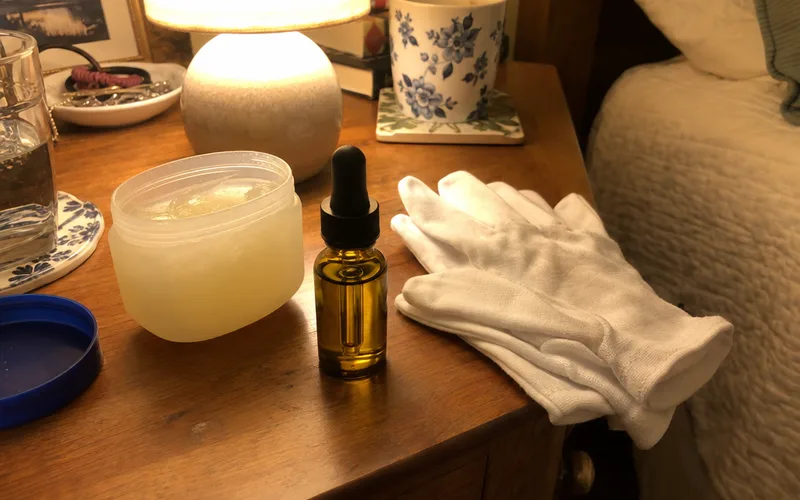
Vaseline isn’t better than cuticle oil, but it makes a great lid on top of it. It helps lock in hydration over cuticle oil and is less effective when used alone.
Here’s an overnight combo for very dry cuticles:
Oil first, massaged in. Then a layer of Vaseline on top, then bed.
What about a cuticle cream or hand cream? Dr. Baumann compares cuticle oil with moisturizers in general, and traditional moisturizers are typically water-based formulas.
Cuticle oils absorb more quickly into the skin, so layering both can soften cuticles while giving longer-term hydration. In other words, you don’t have to choose between them.
Is Cuticle Oil Good for Gel Nails and Acrylics?
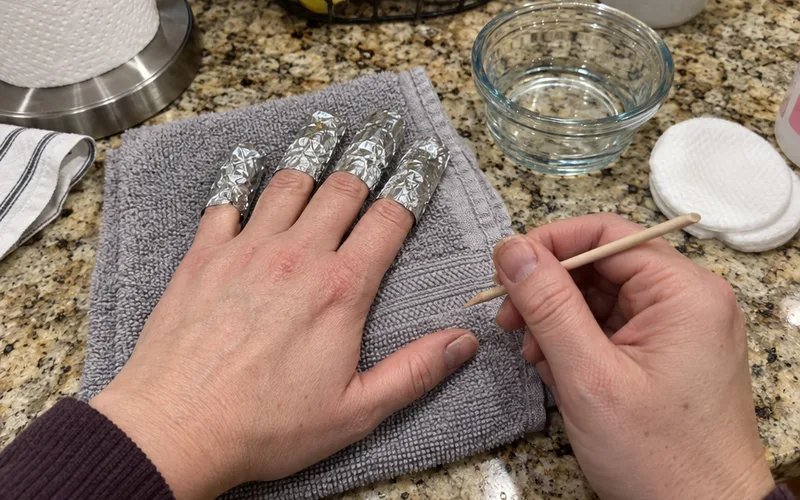
Yes, cuticle oil is good to use with gel nails, and dermatologist Dr. Baumann names nail polish and gel systems among the situations where it helps most. The one rule is timing: let the oil absorb and dry before any polish goes on.
Removal day matters too. Taking gel off usually means acetone, one of the drying factors cuticle oil offsets.
So after you remove gel nails, give every cuticle a drop of oil. That puts moisture back into skin the remover dried out.
If your natural nails are already weak, it’s worth comparing gel and acrylic for weak nails before your next set.
Signs You Need Cuticle Oil
You need cuticle oil if you notice any of these 5 signs: dry or peeling cuticles, frequent hangnails, redness or irritation around your nails, nails that split near the base, or cuticles that look rough instead of smooth, according to dermatologist Dr. Baumann. Even 1 of them is enough reason to start.
She adds that cuticle oil is especially helpful if you wash your hands a lot, live in a dry climate, or struggle with peeling nails and hangnails.
Note: Oil is a care step, not a diagnosis. Her own advice is to see a board-certified dermatologist for a diagnosis, so get any redness or swelling that won’t settle checked.
Are There Any Downsides to Cuticle Oil?
Cuticle oil has 3 real downsides, according to dermatologist Dr. Baumann: it only works with regular use, heavier formulas can feel greasy, and essential oils added for fragrance are common allergens. None of them is a reason to skip it.
Consistency is the first: skip days and the benefits stall.
Greasiness is easy to fix. It depends on the oil type, so lighter oils like jojoba, argan or safflower help you avoid a greasy residue.
Fragrance is the one to watch. If you’re sensitive to essential oils, choose a formula without them.
Key Takeaway: A plain, unscented jojoba oil sidesteps 2 of the 3 downsides at once.
The Bottom Line on Cuticle Oil Benefits
Cuticle oil protects the seal around your nails, and that one job explains every benefit on the list.
This week, pick up a plain jojoba oil and use 1 drop per nail every night before bed.
Then build it into a simple nail care routine and browse more nail care tips as your nails improve.
Frequently Asked Questions
Does cuticle oil actually help nails?
Yes, cuticle oil helps nails by keeping the cuticle seal and the skin around the nail moisturized. Dermatologist Dr. Leslie Baumann lists 7 benefits, including a stronger cuticle seal, fewer hangnails and less splitting near the base, so start with 1 drop per nail at bedtime.
Is it good to apply cuticle oil daily?
Yes, applying cuticle oil daily is good for your nails, and daily use is when it works best. Dr. Leslie Baumann recommends it once or twice a day, especially after you wash your hands or use hand sanitizer.
How long does it take for cuticle oil to work?
Cuticle oil has no set timeline in dermatologist guidance, but one application is never enough. Dr. Leslie Baumann says a single use won’t help chronic dryness or cracking, so keep using it every day instead of judging it after one night.
What is the difference between cuticle cream and cuticle oil?
Cuticle oil absorbs into the skin quickly, while traditional moisturizers are typically water-based formulas. Dr. Leslie Baumann says layering an oil and a moisturizer can soften cuticles and give longer-lasting hydration, so you don’t have to choose.
Can I use cuticle oil if I have sensitive skin?
Yes, you can use cuticle oil with sensitive skin if you pick a formula without essential oils. Dr. Leslie Baumann warns that essential oils added for fragrance are common allergens, so a plain single oil such as jojoba is an easy first bottle.