
Retinol sits 19th of 33 ingredients in this $21.99 serum.
That single detail explains why it feels so gentle, and why it works slowly.
This CeraVe Resurfacing Retinol Serum review covers each key ingredient, the real strength, how to use it without peeling and who should skip it.
I judged the serum on things you can check yourself:
- The full ingredient list and where retinol falls on it
- The CeraVe directions and warnings
- Prices at CeraVe and Ulta Beauty
- Retailer ratings and review counts
- Published research on how retinol works
I didn’t run a lab test, so every claim below points back to a label, a listing or a study.

CeraVe Resurfacing Retinol Serum
A light 1 oz drugstore serum with encapsulated retinol, niacinamide, 3 ceramides and licorice root extract for post-acne marks and pores.
Pros
- Gentle enough for a first retinol
- Barrier support built into the same bottle
- Drugstore price with wide availability
Cons
- No retinol percentage on the label
- Lists alcohol and isopropyl myristate
- Slow, modest results on wrinkles
Key Specifications
CeraVe Resurfacing Retinol Serum is a 1 oz night serum for post-acne marks and pores. Here’s what the label and listings show:
| Spec | Detail |
|---|---|
| Size | 1 fl oz (30 ml) |
| Retinol type | Encapsulated retinol |
| Retinol percentage | Not disclosed |
| Retinol position | 19th of 33 ingredients |
| Support ingredients | Niacinamide, 3 ceramides, licorice root extract |
| Fragrance | No added fragrance |
| When to use | Night only |
| List price | $21.99 (November 2026) |
Look at the third and fourth rows together. They’re the most useful lines on this page if you’re trying to judge strength.
Does CeraVe Resurfacing Retinol Serum Really Work?
CeraVe Resurfacing Retinol Serum does work as a gentle retinol for post-acne marks, rough texture and the look of pores. Shoppers on the Ulta Beauty listing rate it 4.4 out of 5 across 2,276 reviews (November 2026), but it works slowly and isn’t built for deep wrinkles.
Why the “gentle but slow” verdict?
Because of what the formula is built around. CeraVe says the serum was developed with dermatologists to smooth texture by reducing the look of post-acne marks and minimizing the look of pores.
Those are realistic promises for a low-key retinol. They’re about marks and surface texture, not dramatic overnight change.
Gentle matters more than it sounds. A retinol your skin can tolerate is one you’ll keep using, and steady use is what decides whether a retinol works for you at all.
Here’s the deal:
A stronger retinol you quit because of peeling does less than a gentle one you keep using. That’s the real case for this bottle.
What Does CeraVe Resurfacing Retinol Serum Do?
CeraVe Resurfacing Retinol Serum fades post-acne marks, smooths rough texture and makes pores look smaller. Its retinol speeds up how your skin sheds old cells, while ceramides and niacinamide help protect the skin barrier.
Doctors call post-acne marks post-inflammatory hyperpigmentation. It’s the flat brown, pink or red spot left after a pimple heals.
Retinol helps with those marks by speeding up your skin’s turnover.
A 2019 review of retinoid research in Postepy Dermatologii i Alergologii backs that up. It reports that retinoids cut skin pigmentation by about 60%.
That figure covers retinoids as a group, not this exact bottle. It still explains why a retinol is a smart pick for marks.
The other job is texture: CeraVe also lists “improving your skin’s surface” among the benefits. So this is a marks-and-texture product first, and anything it does for fine lines is a bonus.
The Key Ingredients, One by One
CeraVe Resurfacing Retinol Serum gets most of its work done by 5 ingredients: encapsulated retinol, niacinamide, 3 ceramides, licorice root extract and sodium hyaluronate. The rest of the 33 ingredients mostly set the texture and keep the formula stable.
Here’s what each one does:
Encapsulated retinol: Retinol is a form of vitamin A, and “encapsulated” means it’s wrapped so it releases over time instead of all at once. The 2019 review explains that skin converts retinol to its active form, retinoic acid, in two oxidation steps.
The same review notes that retinol does little on its own until skin converts it. That extra step is part of why retinol is a gentler, slower option.
Niacinamide: Niacinamide is a form of vitamin B3, and it sits 5th on the ingredient list. CeraVe says it may help calm skin, reduce transepidermal water loss (TEWL) and increase moisture in skin’s uppermost layer.
TEWL is just the water that escapes through your skin into the air. Less of it means less of that tight, dry feeling retinol can cause.
3 essential ceramides: Ceramides are fats that hold your skin barrier together, and this serum lists ceramide NP, AP and EOP. The CeraVe product page says its MVE technology encapsulates ceramides for slow release over time.
Licorice root extract: CeraVe adds licorice root extract to help brighten skin’s appearance, which backs up the retinol’s job of fading marks.
Sodium hyaluronate: This salt form of hyaluronic acid sits right after retinol on the list, and it’s there for hydration.
Put together, the formula treats the marks and cushions the skin at the same time, which is the main reason it suits beginners.
How Strong Is CeraVe Resurfacing Retinol Serum?
CeraVe Resurfacing Retinol Serum is a mild retinol, and CeraVe does not publish its retinol percentage. Retinol sits 19th of 33 on the ingredient list, which points to a low dose.
You’ll see a 0.3% figure repeated online.
CeraVe doesn’t state that number on its US product page, so treat any exact percentage as a guess. The label only tells you the order of ingredients.
Why does order matter?
Ingredient lists run from the most of an ingredient to the least. So niacinamide at 5th makes up a bigger share of the bottle than retinol at 19th.
Here’s how to use that:
- If you’ve never used retinol, low and steady is exactly what you want.
- If you’ve used a 0.5% or 1% retinol without trouble, this one will likely feel too mild.
- If you need a stated strength, buy a product that prints its percentage on the label.
For example, The Ordinary Retinol 0.5% in Squalane puts its strength right in the name. That makes it easier to step up later.
If you’re not sure where you fall, the basics of starting retinol slowly will help you pick a pace.
How Long Does It Take to Work?
CeraVe Resurfacing Retinol Serum has no official results timeline on the CeraVe US product page. Plan on a few months of steady use before you judge it, because retinol speeds up skin turnover and changes build slowly.
The 2019 review explains the biology. Retinol makes connections between surface skin cells looser and speeds up turnover in the outer layers.
Marks fade as newer skin reaches the surface. So don’t judge the serum after a week or two, even if your skin already feels different.
Here’s a simple way to judge it fairly:
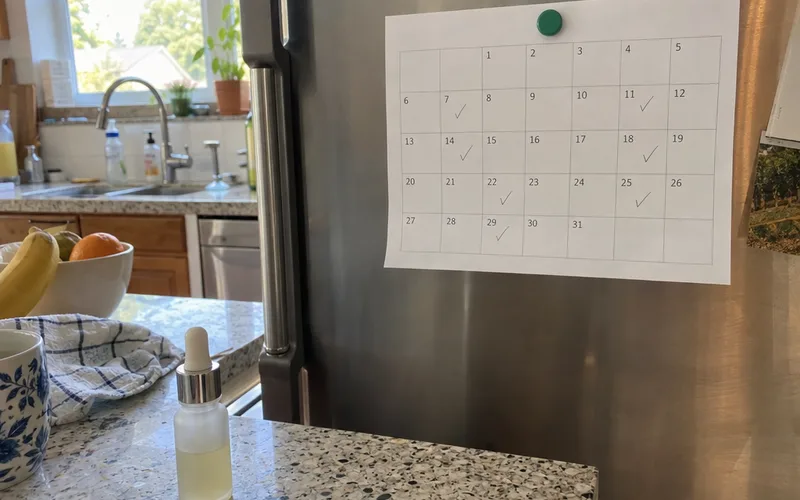
- Take a photo of your face in daylight before your first night.
- Use the serum on the schedule in the next section.
- Take a new photo in the same spot and light once a month.
- Compare marks and texture after your third photo.
A side-by-side photo beats memory, and it stops you from quitting too early.
How to Use CeraVe Resurfacing Retinol Serum
Use CeraVe Resurfacing Retinol Serum at night on clean, dry skin, then add moisturizer once it soaks in and wear sunscreen every morning. CeraVe says to apply it evenly to the face daily, at night only, and to space out uses if it causes discomfort at first.
Here’s a routine that follows those directions:
- Wash with a gentle cleanser, such as the CeraVe foaming face wash if your skin runs oily.
- Pat your face dry and wait until it’s fully dry.
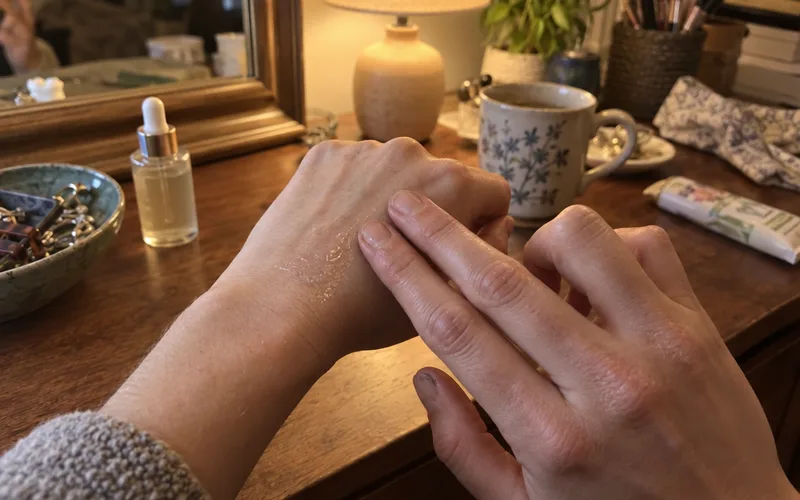
- Apply a thin layer of serum to your face, avoiding your eyes and lips.
- Let it absorb fully.
- Follow with a nighttime face moisturizer.
Step 4 comes from the Ulta Beauty listing: apply the serum in a thin layer and let it soak in before any moisturizer or eye cream. So the serum goes first, and the moisturizer goes on top.
How often should you start?
CeraVe writes “daily” on the bottle. But the same directions say to space out applications until skin adjusts if you feel discomfort, so most beginners do better with a slower start.
I’d start with 2 or 3 nights a week for the first couple of weeks. If your skin stays calm, move to every other night, then every night.
The sunscreen step is not optional. CeraVe tells you to apply a sunscreen while using this product, so pick a daily face sunscreen you’ll actually wear.
Side Effects to Expect
CeraVe Resurfacing Retinol Serum can cause dryness, flaking, redness or stinging, mostly in the first weeks or when you use it too often. Those effects come from the retinol itself.
In fact, the 2019 review says irritation is one of the factors that limit how vitamin A ingredients are used in cosmetics.
That’s why the formula leans on ceramides and niacinamide: they soften the side effects without removing them.
Two ingredients deserve a closer look, too: alcohol and isopropyl myristate.
Both sit near the end of the ingredient list, so the amounts are small. Still, if either one has bothered your skin before, that’s worth knowing before you buy.
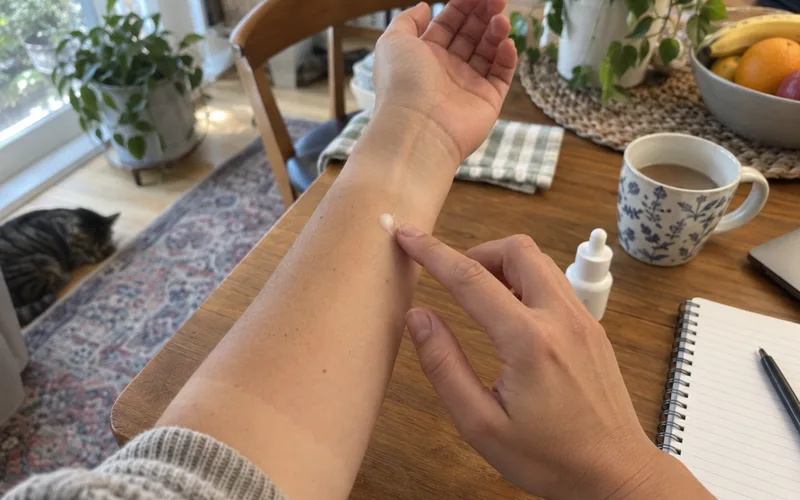
If your skin burns, swells or stays red for days, stop using it and talk to a doctor or pharmacist. Mild flaking is normal; real pain is not.
Here’s how to keep side effects small:
- Start 2 or 3 nights a week.
- Use a thin layer for your whole face.
- Skip other exfoliants on retinol nights.
- Moisturize every night you use it.
Is It Good for Sensitive Skin?
CeraVe Resurfacing Retinol Serum is a fair pick for sensitive skin, since it has no added fragrance and uses ceramides and niacinamide to protect the skin barrier. It can still sting at first, so start slowly.
The CeraVe product page lists it as non-comedogenic, paraben-free and free of added fragrance. But the alcohol on the ingredient list may still bother some sensitive skin.
So patch test first. Apply a little behind your ear or along your jaw for a few nights before you put it on your whole face.
If your skin is very reactive, compare it with the gentler formulas in our retinol serums for sensitive skin roundup. Starting on 1 or 2 nights a week also gives you more room to adjust.
Is It Good for Acne and Dark Spots?
CeraVe Resurfacing Retinol Serum is good for dark spots left by acne and for mildly clogged pores. It isn’t a treatment for active, inflamed breakouts.
For dark spots, this is the serum’s best job. The CeraVe page names post-acne marks and pores as its targets, and licorice root extract adds brightening.
For active acne, set your expectations lower: a serum is not a medicated acne product. Painful or cystic breakouts need a doctor or dermatologist.
If your skin is oily as well as marked, our list of retinol serums for oily skin compares lighter options. For more ways to fade old marks, there are also ideas in skincare for acne scars.
Key Takeaway: Buy it for the marks a breakout leaves behind, not for the breakout itself.
Is It Good for Wrinkles?
CeraVe Resurfacing Retinol Serum can help fine lines a little over time, but it’s not the best CeraVe pick for wrinkles. CeraVe aims it at post-acne marks and pores, and its low retinol dose makes anti-aging results slow.
Retinol itself is a proven anti-aging ingredient.
In fact, the 2019 review notes that vitamin A was the first vitamin approved by the FDA as an anti-wrinkle agent. The same review says retinol stimulates fibroblasts, the cells that make collagen, to build collagen fibres.
So the ingredient can do the job, but this dose and formula mostly aren’t aimed at it. If fine lines are your main concern, a retinol sold for anti-aging, or one with a stated percentage, is the better place to spend $20.
For a wider look at your options, see the picks in best retinol for face.
Resurfacing vs Skin Renewing Retinol Serum
CeraVe Resurfacing Retinol Serum targets post-acne marks and pores, while the CeraVe Skin Renewing Retinol Serum is sold as the anti-aging option for fine lines. Both use encapsulated retinol, niacinamide and ceramides, so the choice comes down to your main goal.
Here’s the quick way to pick:
- Choose Resurfacing if marks from old breakouts or rough texture bother you most.
- Choose Skin Renewing if fine lines bother you most.
- Choose neither if you already tolerate a stronger retinol.
The Resurfacing serum also adds licorice root extract to brighten skin. That’s the ingredient that ties it to marks.
The Skin Renewing serum gets its own deep dive in our Skin Renewing serum review. And if you want the two compared line by line, read the full Resurfacing vs Renewing breakdown.
How Much Does CeraVe Resurfacing Retinol Serum Cost?
CeraVe Resurfacing Retinol Serum costs $21.99 for 1 oz on the CeraVe website as of November 2026. The Ulta Beauty listing shows the same price, or $20.89 through its Replenish & Save subscription.
Coupons can drop it further, since the CeraVe page itself advertises savings of up to $2.00 on its products.
How long does a bottle last?
CeraVe doesn’t say, and the answer depends on how many nights a week you use it. A slow start stretches the first bottle, so buy one and skip the subscription until you know your skin likes it.
If you’re shopping for more than one serum, the top face serums list ranks other budget picks. And CeraVe makes a vitamin C serum if you want a morning partner for this night product.
The Bottom Line
CeraVe Resurfacing Retinol Serum is a gentle, fairly priced first retinol for post-acne marks and texture, not a fast wrinkle fix.
Buy one bottle, start it 2 or 3 nights a week, and take a daylight photo tonight so you have something to compare against.
Frequently Asked Questions
Can you use CeraVe Resurfacing Retinol Serum every day?
Yes, CeraVe Resurfacing Retinol Serum is made for daily use: the CeraVe directions say to apply it evenly to the face daily, at night only. If it stings or flakes at first, CeraVe says to space out applications until your skin adjusts, so start with 2 or 3 nights a week and build up.
Is CeraVe Resurfacing Retinol Serum worth the money?
CeraVe Resurfacing Retinol Serum is worth $21.99 if your main goal is fading post-acne marks gently, because it pairs retinol with niacinamide and 3 ceramides in one bottle. If you want stronger wrinkle results, put the money toward a retinol that states its percentage instead.
Does CeraVe Resurfacing Retinol Serum go before or after moisturizer?
CeraVe Resurfacing Retinol Serum goes before moisturizer. The Ulta Beauty listing says to apply it in a thin layer and let it absorb fully before you add a moisturizer or eye cream.
Does CeraVe Resurfacing Retinol Serum have fragrance?
No, CeraVe Resurfacing Retinol Serum has no added fragrance, according to the CeraVe product page, which also lists it as paraben-free and non-comedogenic. Its ingredient list does include alcohol, so patch test first if your skin is reactive.
Does CeraVe retinol serum remove dark spots?
CeraVe Resurfacing Retinol Serum fades the look of dark spots left by acne over time, but it doesn’t erase them overnight. It pairs retinol with licorice root extract for brightening, so use it steadily and wear sunscreen every morning to keep new marks from darkening.