
About 80% of the visible signs of skin aging come from outside your genes.
That’s the estimate in a 2016 journal review by researchers at the skincare company Rodan + Fields. It counts sun exposure, pollution and daily skincare habits.
In other words, a simple skincare routine you actually stick to does a lot of the heavy lifting.
Below are the 7 steps in the order you apply them, morning and night, with what each one does and which ones you can skip. It’s the starting point for everything else in our skin care basics.
Best for: anyone building a routine from scratch. Skip it if a doctor already has you on a prescription skin plan.
Cost: 3 products to start: a cleanser, a moisturizer and a sunscreen.
Payoff: daily protection against the outside factors behind an estimated 80% of visible skin aging.
Time: 1-3 months to judge results (more on why below).
First step: Tonight, wash your face, skip every other product, and notice whether it feels tight, shiny or both.
How to Do a Skincare Routine Step by Step
A basic skincare routine takes 7 steps: know your skin type, cleanse, tone, use one serum, moisturize, add sunscreen in the morning, and switch to repair steps at night. Only 3 of those steps are essential every day: cleanser, moisturizer and sunscreen.
The rest are optional add-ons, so a beginner can start with the core 3 and still do the routine right.
Step 1: Figure Out Your Skin Type
Your skin type decides which cleanser and moisturizer fit, and whether exfoliation suits you at all. So start here, before you buy anything.
The American Academy of Dermatology (AAD) sorts skin into 5 types:
- Dry skin is flaky, itchy or rough.
- Oily skin is shiny and greasy.
- Combination skin is dry in some areas and oily in others.
- Sensitive skin may sting or burn after you use a product.
- Normal skin is clear and not sensitive.
The easiest check is the one from the quick facts.
Wash with a gentle cleanser, put nothing else on, and watch how your face looks and feels for a few hours.
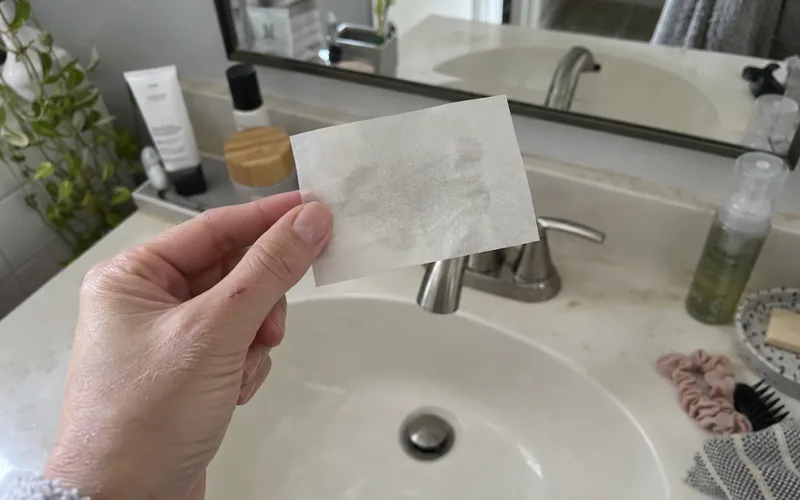
A shiny forehead and nose with tight cheeks points to combination skin, which is common enough that it gets its own routine below.
Step 2: Wash With a Gentle Cleanser
Wash your face morning and night with a gentle facial cleanser picked for your skin type. That one choice keeps the rest of your routine from fighting a dry or oily base.
The same 2016 review says gel and bar cleansers are best for oily skin. Cream or lotion cleansers are better for normal to dry skin.
A medically reviewed Healthline guide, updated June 23, 2026, adds one more filter: choose a gentle formula with a neutral pH.
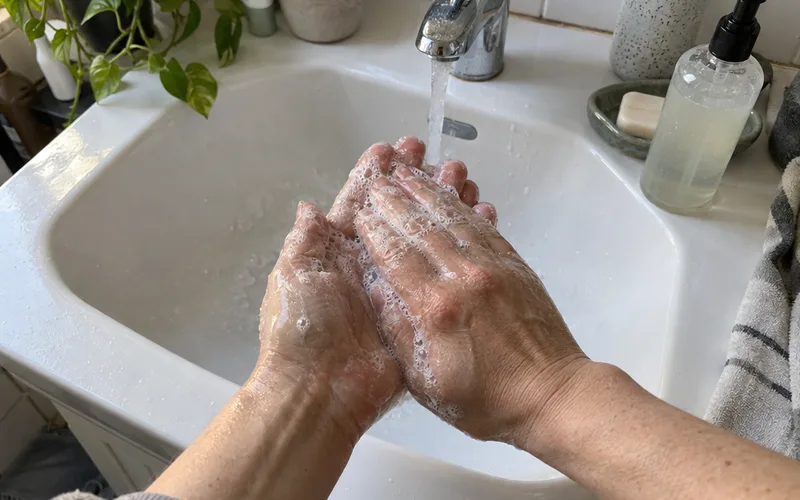
Here’s how to do it:
- Wet your face with lukewarm water, not hot.
- Massage a small amount of cleanser over your skin with your fingertips.
- Rinse well and pat dry with a clean towel instead of rubbing.
For example, if your T-zone gets greasy by noon, a gel cleanser fits, and if your cheeks feel tight after washing, a cream cleanser does. You can compare face washes by skin type once you know which side you’re on.
Step 3: Use Toner Only If It Does a Job
Toner is optional, so add it only when you want what it does. According to Healthline, toners and astringents can help reduce the appearance of pores and remove impurities left behind after cleansing.
The catch?
Toners high in alcohol can irritate your skin, so pick an alcohol-free formula.
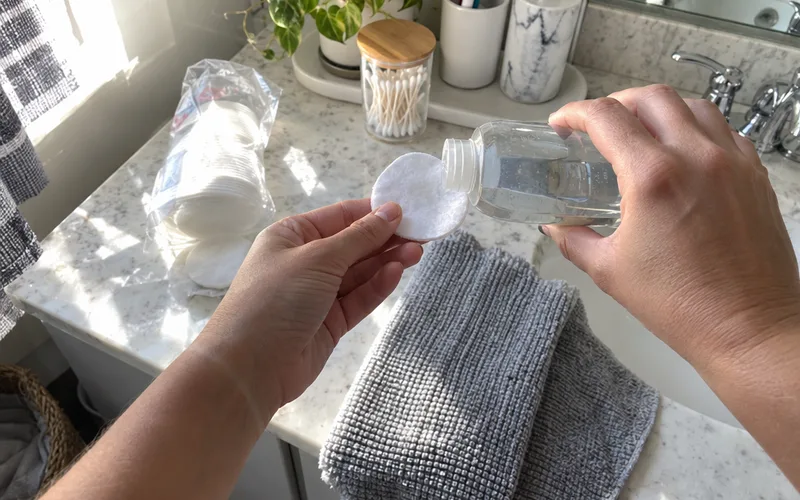
Use it straight after cleansing: tap it onto your skin, or put it on a cotton pad and swipe outward.
Shopping for one? Check the label on any of the Korean toners we’ve rounded up for alcohol before you buy.
Step 4: Apply One Treatment Serum
Use one serum aimed at your main concern, not 3 at once. A serum carries a high dose of one or two ingredients, so it’s where you target things like dullness, dark spots, wrinkles or pimples.
In the morning, an antioxidant serum fits best.
The same medically reviewed guide says an antioxidant serum protects skin from damage caused by unstable molecules called free radicals. Vitamin C and vitamin E are the common picks.
At night, this slot can hold a stronger active like retinol, which Step 7 covers. Either way, bring in each new product slowly and watch how your skin reacts.

So if you buy a vitamin C serum, use it alone for a while before you add anything else. If a product leaves you with a rash or itchy skin, stop using it.
When you’re ready to choose one, browse our face serum picks.
Step 5: Moisturize Morning and Night
Moisturizer goes on after your serum, morning and night, and its texture should match your skin type. A moisturizer softens skin and helps protect your skin barrier, which is why every routine keeps it.
That guide gives a simple rule: cream or balm for dry skin, thicker cream for normal or combination skin, and a fluid or gel for oily skin. Use a slightly bigger-than-pea-size amount, warm it between your hands, then smooth it over your face, cheeks first.
Why do textures differ so much? The journal review explains that moisturizers pair humectants, such as hyaluronic acid, which draw water into your skin, with occlusives, such as petrolatum, which act as a barrier against water loss.
Thick creams carry more of that oily barrier, which is why they suit dry skin and can feel heavy on an oily face.
Eye cream is optional here. The guide says you can skip it if your moisturizer and serum suit the eye area and are fragrance-free.
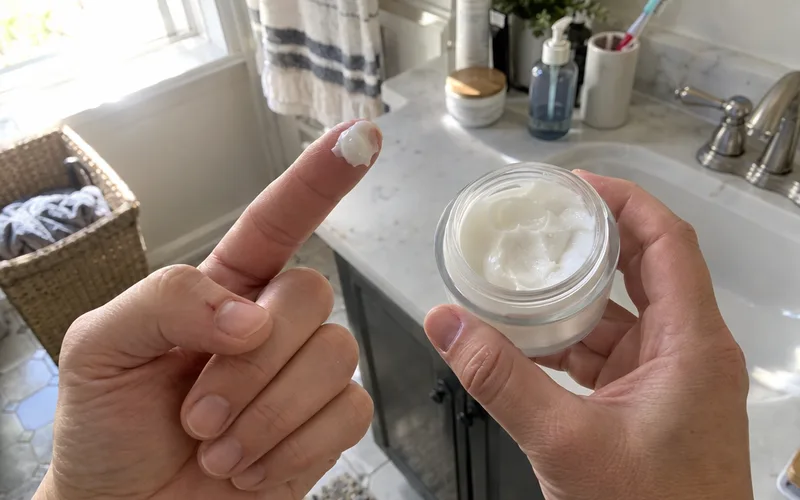
For example, say your skin is oily: a light gel moisturizer in the morning is plenty, and you can compare textures in our best face moisturizers picks.
Step 6: Finish With Sunscreen Every Morning
Sunscreen is always the last step of your morning routine. Healthline reports the American Academy of Dermatology Association recommends a broad-spectrum SPF 30 or higher, which blocks both UVA and UVB light.
Put it on 15 to 30 minutes before you go outside, and never put skin care on top, since that can dilute it. It also says to reapply every 2 hours while you’re spending time in the sun.
Makeup goes on after sunscreen, not under it. When you’re shopping, start with our face sunscreen picks.
Step 7: Switch to Repair Mode at Night
Your night routine swaps protection for repair: cleanse off the day, use your stronger treatment, then a richer moisturizer. Healthline says night is when to focus on repairing the day’s damage with thicker products.
Night is also the time for anything that makes skin more sensitive to sunlight, including physical exfoliants and chemical peels. That’s why retinol and exfoliating acids belong here, not in the morning.
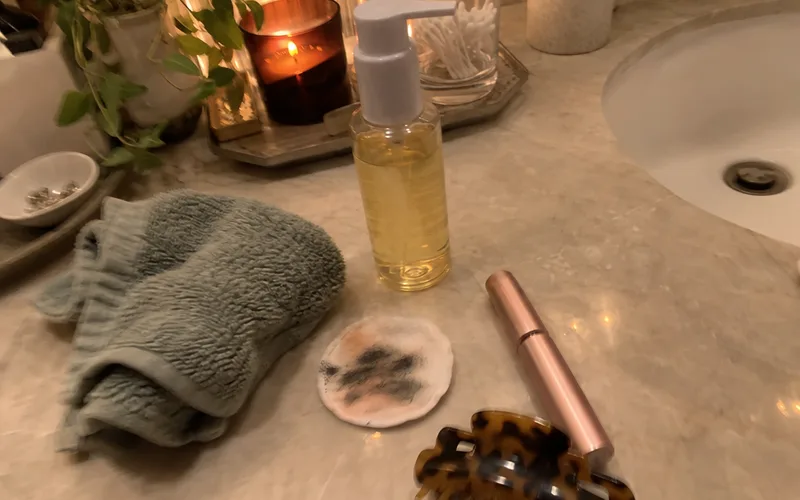
Wore makeup or waterproof sunscreen? Start with an oil cleanser, since a small 2019 study cited in the same guide suggests it removes waterproof sunscreen better than other methods.
Then follow with your regular water-based cleanser, which can help remove any residue the oil cleanser left behind.
Skip the oil step if your skin is oily, because the guide notes cleansing oils may increase oiliness. Otherwise, Korean oil cleansers are a good fit for makeup nights.
For a nightly acid treatment, it says to start once per week and do a patch test at least 24 hours before first use.
New to retinol? Ease in with this retinol for beginners walkthrough before you use it nightly.
What You Need for a Basic Skincare Routine
A basic skincare routine needs just 3 products: a gentle cleanser, a moisturizer and a broad-spectrum sunscreen with SPF 30 or higher.
The 2016 journal review names protection, prevention, cleansing and moisturizing as the key parts of a good skincare routine. Those 3 products cover all four.
Everything else is an add-on for a specific goal:
- An alcohol-free toner, if you want help with leftover residue or the look of pores
- One serum, such as vitamin C in the morning
- A mild chemical exfoliant, if your skin type handles it
- An oil cleanser, for nights you wear makeup or waterproof sunscreen
That’s the whole shopping list.
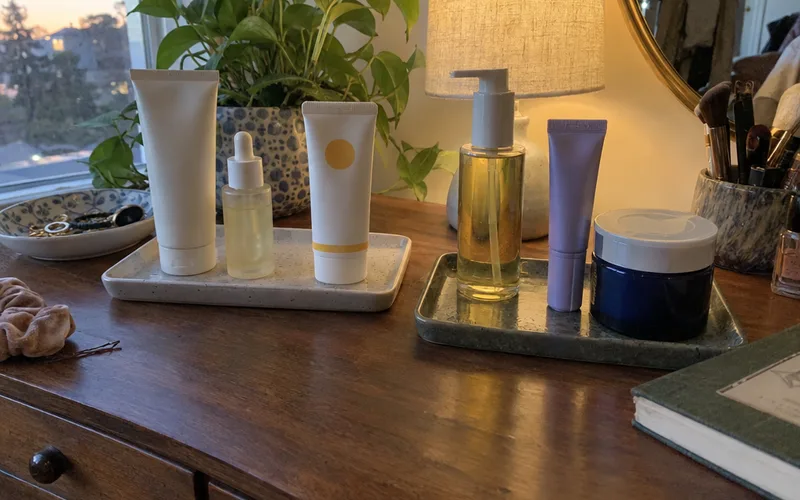
Skincare products don’t need to be fancy to do these jobs. The budget routine for your 40s shows how far the core 3 can stretch.
Morning vs. Night Skincare Routine
A morning skincare routine protects your skin with a gentle cleanser, an antioxidant serum, moisturizer and SPF 30 or higher sunscreen. A night routine repairs it with a cleanser, a stronger treatment such as retinol and a richer moisturizer.
As that medically reviewed guide puts it, mornings are all about prevention and protection.
So the 4 real differences are easy to remember:
- Sunscreen only goes on in the morning.
- Retinol, exfoliating acids and scrubs only go on at night.
- Your night moisturizer can be thicker than your morning one.
- Double cleansing is a night step, for makeup and waterproof sunscreen.
If your skin is oily, the night routine for oily skin shows how to keep that richer evening layer from feeling heavy.
What Order Should You Apply Skincare Products In?
Apply skincare products from the thinnest to the thickest: cleanser first, then toner, serum and moisturizer, with sunscreen last in the morning. Healthline sums up the rule in one line: the lighter the product, the earlier you should apply it.
Why does order matter?
A product can’t do much if a heavier layer sits between it and your skin. Say you use a watery vitamin C serum and a thick cream: the serum goes on first, and the cream seals it in.
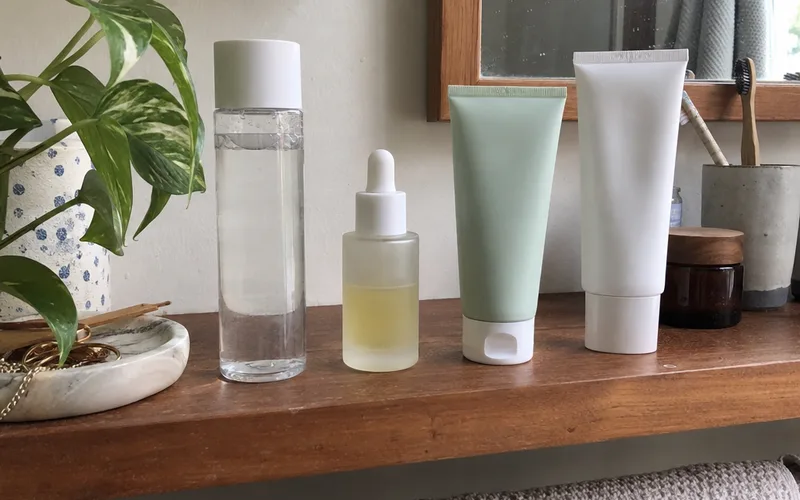
Face oils follow the same rule. A light oil can go before moisturizer, while a heavy oil goes after it.
In other words, if you’re ever unsure, line the bottles up by texture and work from runny to rich.
Is Cleanser and Moisturizer Enough?
Cleanser and moisturizer are enough for a night routine, but not for the morning. A 2016 journal review says sunscreen should always be a mandatory final step of every at-home skincare routine.
So a 2-product night and a 3-product morning make a complete routine. Toners, serums and exfoliants are extras you add for a goal, such as fading dark spots or clearing blackheads and pimples, not requirements.
That’s good news for your budget, too. A cleanser and a moisturizer you can use twice a day go further than a shelf of half-used bottles.
Do You Need to Wear Sunscreen Every Day?
Yes, you need a broad-spectrum SPF 30 or higher sunscreen every day, because a 2016 journal review says most sun damage comes from everyday UV exposure, not vacation sun. That’s the walk to the car, the school pickup line and the drive to work.
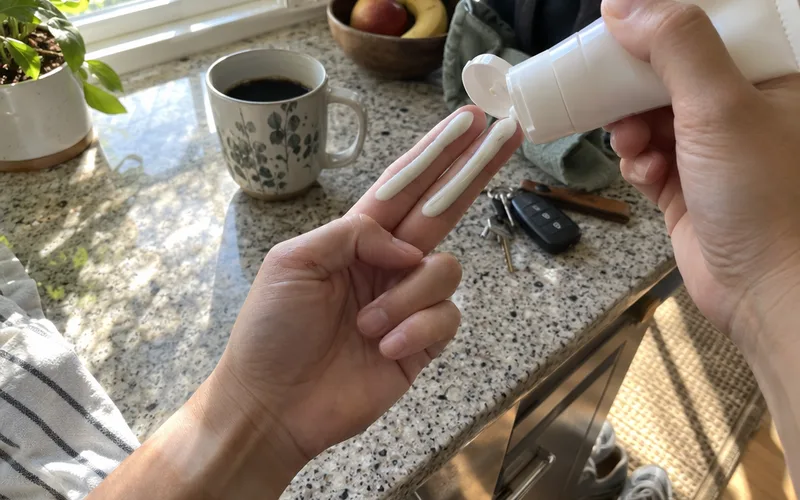
The medically reviewed guide from Step 2 notes that by blocking damaging UV light, sunscreen can lower your risk of skin cancer and reduce signs of aging like wrinkles. Treat sunscreen like brushing your teeth, not like a beach product.
If a white cast keeps you from wearing it, try a tinted mineral sunscreen instead.
How Often Should You Exfoliate Your Face?
Start exfoliating your face once a week, then adjust for your skin type and method, since the AAD rule is that the harsher the exfoliation, the less often you do it. Exfoliation removes dead skin cells from the outer layer of your skin, and the AAD notes it isn’t for everyone.
There are 2 kinds. Mechanical exfoliation scrubs dead cells off with a brush, pad, sponge or scrub, while chemical exfoliation dissolves them with acids such as salicylic acid.
If your skin is dry, sensitive or acne-prone, the AAD suggests just a washcloth and a mild chemical exfoliator, since scrubs may be too irritating. Oily, thicker skin can usually handle stronger chemical treatments or a scrub.
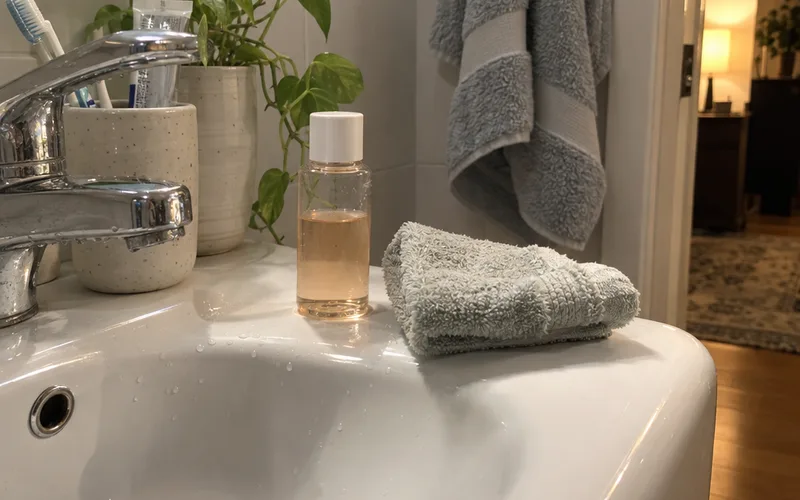
Here’s how to exfoliate without hurting your skin:
- Apply the product gently in small, circular motions for about 30 seconds.
- Rinse well with lukewarm water.
- Apply moisturizer right away, since exfoliating can dry your skin.
Note: Never exfoliate sunburned skin or open cuts. And go gentle if you have a darker skin tone, since the AAD warns harsh exfoliation can lead to dark spots.
Already using retinol, a prescription retinoid or benzoyl peroxide? The AAD says exfoliating on top of those may worsen dry skin or even cause acne breakouts.
If you want a gentle chemical option, compare these Korean exfoliators before you buy.
How Long Does a Skincare Routine Take to Work?
Give a new skincare routine at least a month before you judge it. The 2016 review says the outer layer of skin fully renews in about 28 days in young adults and 40 to 60 days in older adults.
That’s why the quick facts above say 1-3 months.
So give each change one full cycle.
Take a photo on day 1 by the same window you’ll use later. Then compare at week 4 instead of checking the mirror every morning.

If you want a short, structured start, the 7-day glowing skin challenge gives you a daily habit to follow while you wait.
How to Adjust Your Routine for Skin Type and Age
Adjust a skincare routine for your skin type by changing textures, not the order. Oily skin gets gel cleansers and gel moisturizers, while dry skin gets cream cleansers and richer creams.
The 7 steps stay the same for everyone.
Here’s where to go next for your skin:
- Oily skin: keep everything light and oil-free in the routine for oily skin.
- Dry skin: layer richer textures with the routine for dry skin.
- Combination skin: treat your T-zone and cheeks differently with the combination skin routine.
- Your 30s: keep the core 3 and pick one treatment with the routine for your 30s.
- Over 40: see what changes in the routine for women over 40.
- Your 60s and 70s: start from the dermatologist-recommended routine for 60s and 70s.
Your face isn’t the only skin that needs care, either. The same cleanse, moisturize and protect idea works from the neck down in a simple body skin care routine.
Do You Need a 7-Step Korean Skincare Routine?
No, you don’t need a 7-step Korean skincare routine. Cleanser, moisturizer and sunscreen already cover the key parts of skin care that the journal review lists.
The extra K-beauty layers are optional.
That said, plenty of beauty fans enjoy the ritual, and it can be a nice bit of evening self-care. If that sounds like you, walk through the full Korean skincare routine one step at a time.
And if you’re after that dewy, polished look, the guide to getting glass skin builds on the same basics you’ve set up here.
Frequently Asked Questions
What are the 5 basics of skin care?
The 5 basics of skin care are cleanse, tone, treat, moisturize and protect with sunscreen, but only cleanse, moisturize and protect are essential every day. Start with those 3, then add a toner or one serum only when you have a specific goal.
What is a good daily skincare routine?
A good daily skincare routine is a gentle cleanser, a moisturizer and a broad-spectrum SPF 30 or higher sunscreen every morning, then a cleanser and a moisturizer every night. Use it every day for at least a month before you add a serum or an exfoliant.
What does toner do for skin?
Toner removes impurities left behind after cleansing and can help reduce the appearance of pores, according to Healthline. It’s an optional step, so if you use one, pick an alcohol-free formula, since toners high in alcohol can irritate your skin.
Do you need to double cleanse at night?
You only need to double cleanse at night after wearing makeup or waterproof sunscreen, since a small 2019 study cited by Healthline suggests oil cleansers remove waterproof sunscreen better than other methods. On other nights, one gentle cleanser is enough, and oily skin can skip the oil step.
Final Thoughts
The biggest win in any skincare routine is the plain one: sunscreen every single morning.
This week, buy only what’s missing from the core 3, a gentle cleanser, a moisturizer and an SPF 30 sunscreen, and use them morning and night for a month before you add anything else.