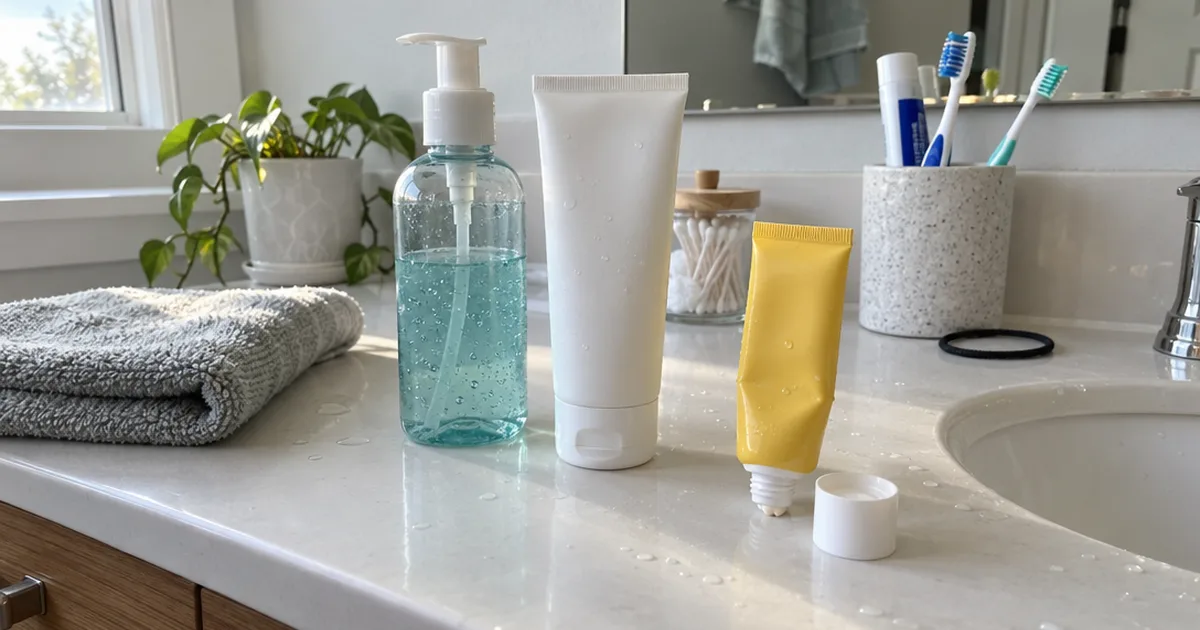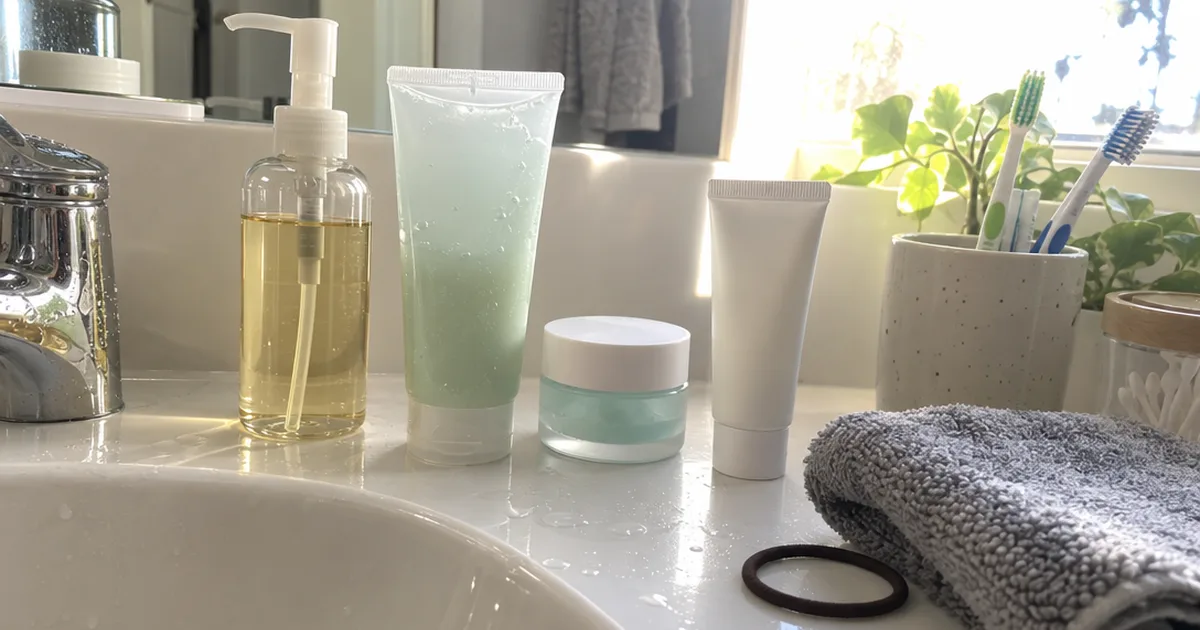

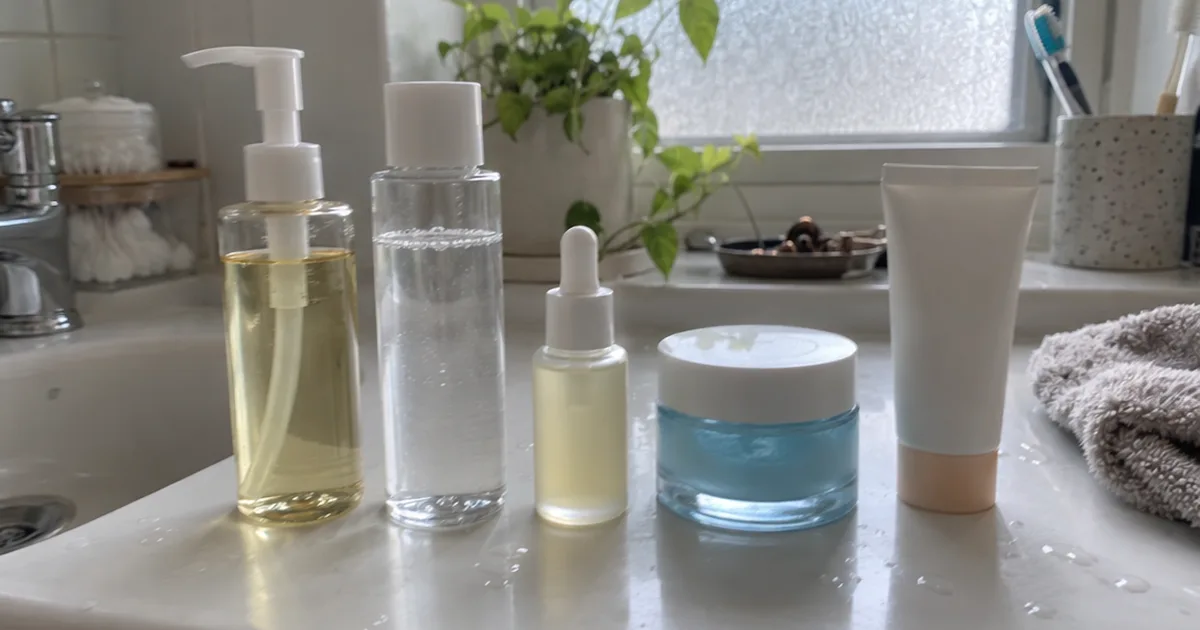
One beauty editor saw a glassier face after just 7 days.
She tested an 11-product routine for a Glamour beauty feature, and the expert who built it says you don’t need all 11.
So here’s how to get glass skin with the 7 steps that do the real work, in order, plus what to skip.
- Best for: Anyone with dull, dry-feeling or uneven skin who wants a dewy finish without makeup. Skip it if your skin is irritated right now; calm it first.
- Cost: Little beyond what you own if you already have a cleanser, moisturizer and sunscreen. The main buy is a hydrating serum, and one prestige pick, Drunk Elephant B-Hydra, is listed at $56 for 50 mL as of November 2026.
- Payoff: A smoother, dewier, more reflective face. Alicia Yoon, the Peach & Lily founder behind that test, expects “profound results” within 1 to 3 weeks.
- Time: 2-4 weeks.
- First step: Tonight, put your hydrating serum on while your face is still damp.
How to Get Glass Skin Step by Step
Glass skin takes 7 steps: a double cleanse at night, a hydrating toner, a serum on damp skin, moisturizer and morning sunscreen, plus a weekly exfoliant and an optional mask or oil. Each step adds water to your skin or protects it.
Step 1: Double Cleanse at Night
Start your evening with an oil cleanser or balm massaged onto dry skin. It melts sunscreen, makeup and extra oil so the next products can sink in.
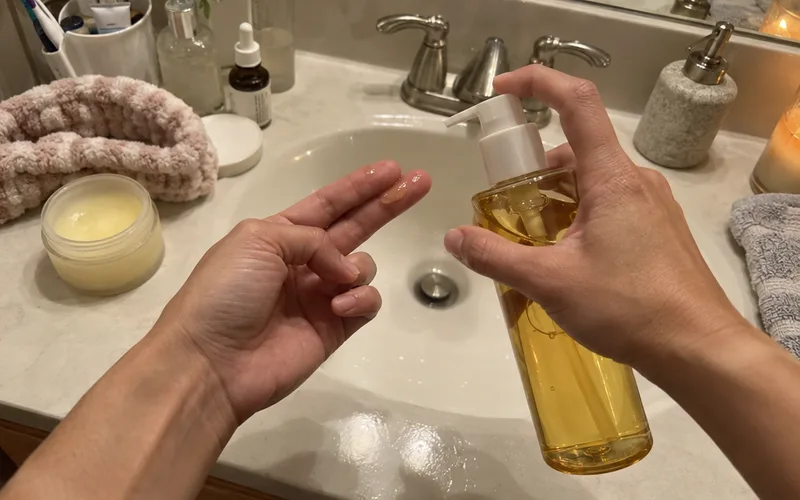
Then follow with a gentle water-based cleanser and rinse with lukewarm water. If you need a pick for the first half, start with these Korean oil cleansers.
In the morning, a gentle cleanser or a splash of water is enough.
Step 2: Pat On a Hydrating Toner
Yoon tells readers to “Balance your skin’s pH with a toner. And hydrate, hydrate, hydrate.”
Pour a few drops into your palms and press them into your face instead of swiping with a cotton pad. A milky or watery formula works best, and the best Korean toners list sorts them by skin type.
Step 3: Layer a Hydrating Serum on Damp Skin
This is the step that makes the glow. A hydrating serum pulls water into your skin, so apply it while your face is still a little damp from toner.
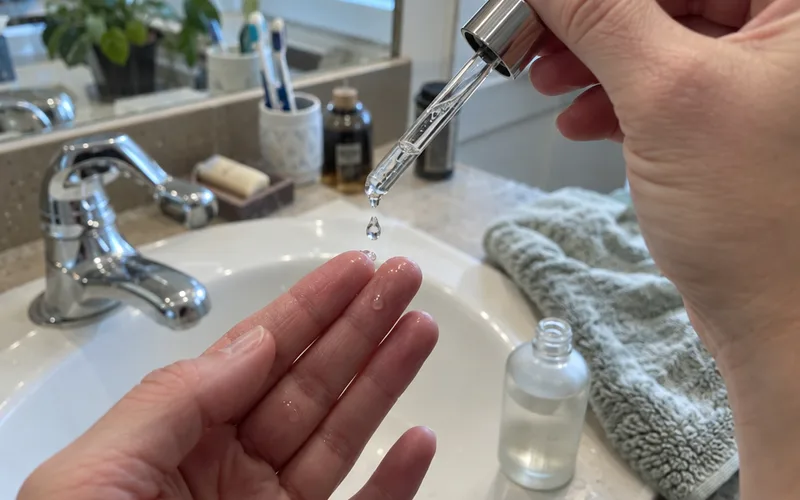
Here’s a simple way to check what you need:
- Skin feels tight or looks dull: it’s dehydrated, so add a water-based serum.
- Skin feels rough or flaky: it’s dry, so you need the serum plus a richer cream.
- Both: use both, which is what most glass skin routines do.
That split comes from the Drunk Elephant product page for its B-Hydra serum: dry skin lacks oil, dehydrated skin lacks water, and skin needs both.
Step 4: Seal It With Moisturizer
A serum adds water, and a moisturizer keeps that moisture from leaving. The same Drunk Elephant page recommends a moisturizer on top of its own serum for exactly that reason.
Pick a gel cream if you’re oily and a thicker cream if you’re dry. These Korean moisturizers cover both, and ceramides in the label help your skin barrier hold on to moisture.
Step 5: Wear Sunscreen Every Morning
Sunscreen is the step that protects everything else you do. UV exposure can leave dark spots, or hyperpigmentation, that break up the smooth, even look you’re after.
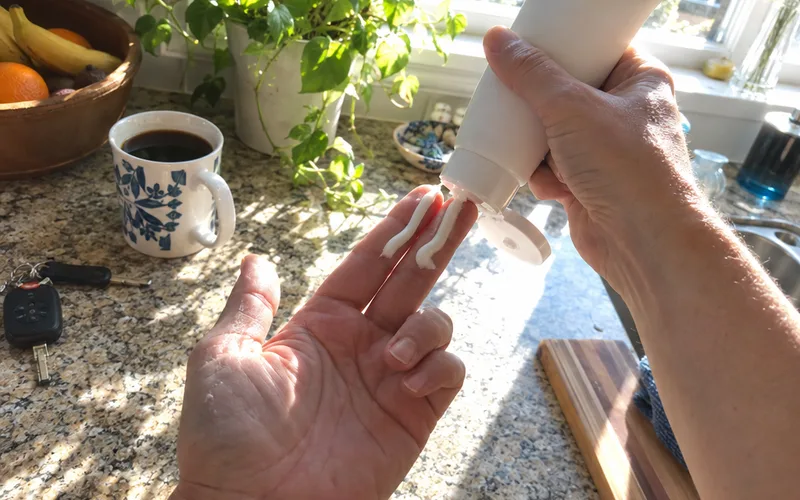
Yoon tells Glamour readers to “be a stickler about SPF.” Apply a broad-spectrum formula as the last step every morning, and compare textures with this list of sunscreens for your face.
Step 6: Exfoliate Gently Once a Week
Exfoliating clears the dead skin cells that make your complexion look flat. The Glamour test routine did it just once a week, which is a sensible limit while you start.
That weekly step was a 5- to 10-minute resurfacing mask with 10% glycolic acid and 0.5% salicylic acid, and it helped clear blackheads. If you have sensitive skin or that sounds strong, start with one of these gentle Korean exfoliators instead.
Step 7: Add a Sheet Mask or Face Oil
The last layer is optional, and it’s where you can spend very little. Glamour finished its routine with a weekly hydrating sheet mask, the Peach & Lily Original Glow Sheet Mask, listed at $6.
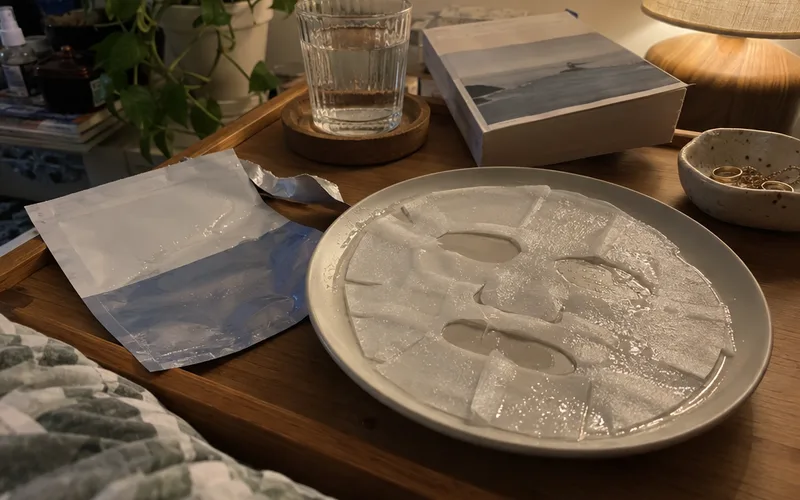
On dry nights, swap your moisturizer for a Korean sleeping mask or press a few drops of face oil over your cream. Oily skin can skip the oil.
Your Morning and Night Glass Skin Routine
A glass skin routine uses the same hydrating core morning and night and only changes the ends: sunscreen finishes the morning, and a double cleanse starts the night. Here’s how the two compare:
| Step | Morning | Night |
|---|---|---|
| Cleanse | Gentle cleanser or water | Oil cleanser, then gentle cleanser |
| Hydrate | Toner, then serum | Toner, then serum |
| Seal | Moisturizer | Moisturizer or sleeping mask |
| Finish | Sunscreen | Weekly exfoliant or mask |
So if your mornings are rushed, the 4 core steps still take only a few minutes. The skincare routine for beginners covers that basic order in more detail.
What Is Glass Skin?
Glass skin is a complexion so smooth, clear and hydrated that it reflects light like a pane of glass. Glamour traces the term to the K-beauty scene, where it went viral on social media.
It’s a finish, not a skin type. Healthy skin still has visible pores and texture, so the goal is a dewy, even look, not a filter-perfect one.
That’s why the method leans on hydration instead of highlighter. Water-plumped skin bounces light back, and that’s what reads as “glass.”
If you want the full multi-step version this look grew out of, the Korean skincare routine walks through every layer. For routines built around other goals, browse the wider skincare section.
Glass Skin Ingredients That Actually Matter
The best glass skin ingredients are hyaluronic acid and glycerin for water, niacinamide for even tone, ceramides for your skin barrier and sunscreen for protection. You don’t need each one in a separate bottle.
Hyaluronic acid is the classic humectant, an ingredient that pulls water into skin. Drunk Elephant says the form called sodium hyaluronate has a smaller molecular weight than hyaluronic acid, so it can get deeper into skin.
Niacinamide, a form of vitamin B3, shows up in many glass skin essences. The essence in the Glamour routine paired hyaluronic acid with 2% niacinamide at a pH of 5.7.
Vitamin C, one of the best-known antioxidants, brightens dull skin, but it’s the one to handle carefully.
Yoon warns against mixing vitamin C with strong AHAs, BHAs or retinol. So use it in the morning and keep acids for another night.
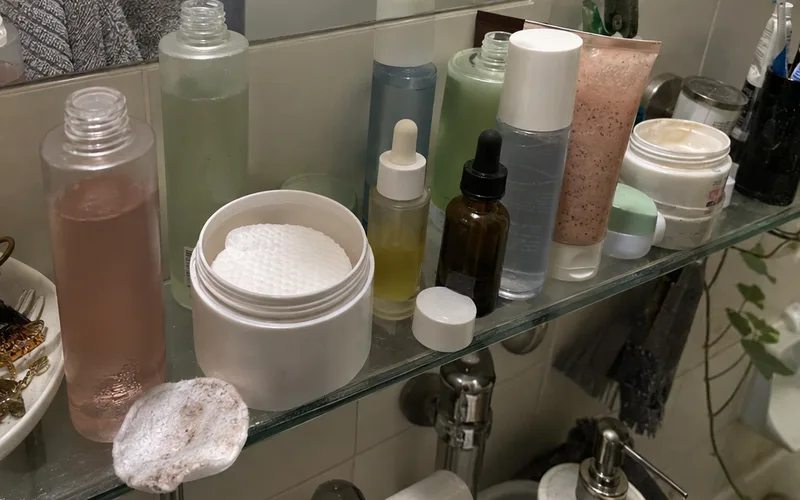
If brightening is your goal, these Korean vitamin C serums are a gentle place to start.
How Long Does It Take to Get Glass Skin?
Glass skin usually takes 1 to 3 weeks of a daily routine to look noticeably different, according to Alicia Yoon’s estimate in Glamour. The tester there already saw a change after 1 week.
Bigger shifts take longer.
In a Drunk Elephant consumer-perception study of 29 people, 97% said their skin felt smoother after 8 weeks on its serum. And 93% said it felt more hydrated.
That’s a brand’s own study, so treat it as a guide, not proof.
Here’s the deal: take a photo in window light on day 1, then again at week 3. Changes in glow are easy to miss in the mirror.
Can You Get Glass Skin in 3 Days?
You can get a dewier, glass-like glow in 3 days, but not lasting glass skin. Quick results come from extra hydration, not from changing your texture.
For a fast boost, follow Steps 2 to 4 twice a day and add a sheet mask the night before. For a full week of habits, the 7-day glowing skin challenge lays out each day.
Glass Skin Mistakes to Avoid
The biggest glass skin mistake is doing too much: stacking acids, scrubs and strong actives that inflame your skin and erase the glow.
“Don’t overdo it with too many acids or harsh actives,” Yoon told Glamour. “In the long run, your skin will get inflamed.”
Watch for these other glow killers:
- Putting serum on bone-dry skin: humectants need water to grab, so apply on damp skin.
- Skipping moisturizer because you’re oily: oily skin can still be dehydrated, and a routine for oily skin shows how to keep it light.
- Using a gritty scrub: rough particles can scratch skin, so pick a gentle chemical exfoliant.
- Buying 11 products at once: Yoon says the number of steps matters less than what your skin needs.
In other words, a calm skin barrier is the base of every glassy face.
How to Fake Glass Skin With Makeup
Makeup can copy the glass skin finish for a day, but it only sits on top of your skin. So prep with your hydrating serum and moisturizer first, then keep every layer sheer.
A light skin tint or a Korean cushion foundation gives you a dewy base without hiding your skin. That’s the event-day shortcut, while the routine does the real work every other day.
Frequently Asked Questions
How do you get glass skin naturally at home?
Glass skin at home comes from gentle habits, not special tools: cleanse with lukewarm water, apply hydrating products while your face is still damp, moisturize twice a day and wear sunscreen every morning. Sleep, exercise, drinking water and a healthy diet with fruits and vegetables support the routine, but they don’t replace it.
Can you get glass skin if you have oily skin?
Yes, oily skin can get glass skin, because the glow comes from water, not oil. Use a gel cleanser, a lightweight hydrating serum and a gel moisturizer or light lotion, skip heavy face oils, and keep exfoliation to once a week so you don’t strip your skin barrier and trigger more shine.
What are some good makeup products for glass skin?
Good makeup products for glass skin are a hydrating primer, a sheer skin tint, a cream blush and a liquid highlighter tapped onto your cheekbones. Use powder only where you shine most, such as your T-zone, and finish with a dewy setting spray and a sheer lip balm or lip gloss.
Do you need a 10-step routine for glass skin?
No, you don’t need a 10-step routine for glass skin: a cleanser, a hydrating toner, a hydrating serum, a moisturizer and sunscreen cover the core. Alicia Yoon told Glamour that her 11-product test routine isn’t needed to get the same results, because what your skin needs matters more than the number of steps.
How to glow face in 7 days?
A face glows in 7 days when it’s well hydrated and not irritated: follow the 7-step routine every day, add one hydrating sheet mask, sleep enough and wear sunscreen each morning. Glamour reported a visible improvement after 1 week of a glass skin routine, with Yoon expecting bigger changes by week 3.
Final Thoughts
Glass skin is a skincare result built on hydration, not a product count: water in, oil sealed over it, sunscreen on top.
This week, add just one thing to what you already own, a hydrating serum on damp skin, and take a day-1 photo so you can compare at the 3-week mark.